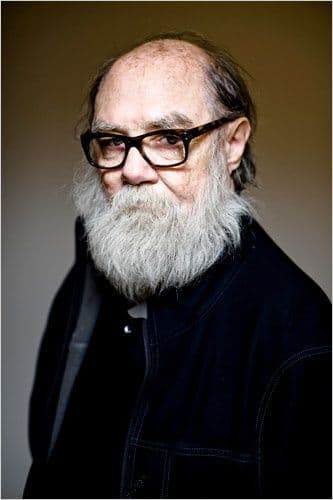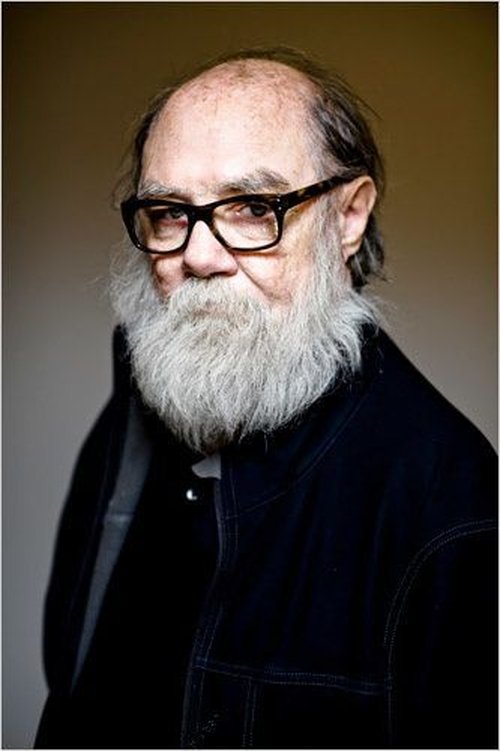
While still a student, Paul McCarthy threw himself out of a second floor window in a performance/action, emulating Yves Klein's legendary "Leap into the Void." McCarthy was an influential figure in the Southern California art and performance scene for decades before achieving international recognition. His performance work in the late 1970s explored areas of Dionysian and shamanistic initiation rituals, as well as the body and sexuality. The intensity of these performances, which often included the graphic depiction of taboo subjects, eventually led to his use of video and installation as primary media. Mining the depths of the family and childhood via kitsch and pop cultural detritus, the body and sexuality, and an often outrageous theatricality, McCarthy's works inhabit a violent landscape of dysfunction and trauma. In many of his works, he adopts a performance persona that appears crazed, witch-like, or infantile. McCarthy's works often involve liquids, from bodily fluids to paint; one performance involved mixing his own blood with food, an obsessive gesture that is simulated in Family Tyranny. In the late 1980s, McCarthy began using film and television sets as elements in video/performance installations. Often these elaborate fabrications involved the restaging of culturally-charged myths and icons, such as Heidi and Pinocchio, in the context of family psychodramas, Hollywood genres, and mass media.
While still a student, Paul McCarthy threw himself out of a second floor window in a performance/action, emulating Yves Klein's legendary "Leap into the Void." McCarthy was an influential figure in the Southern California art and performance scene for decades before achieving international recognition. His performance work in the late 1970s explored areas of Dionysian and shamanistic initiation rituals, as well as the body and sexuality. The intensity of these performances, which often included the graphic depiction of taboo subjects, eventually led to his use of video and installation as primary media. Mining the depths of the family and childhood via kitsch and pop cultural detritus, the body and sexuality, and an often outrageous theatricality, McCarthy's works inhabit a violent landscape of dysfunction and trauma. In many of his works, he adopts a performance persona that appears crazed, witch-like, or infantile. McCarthy's works often involve liquids, from bodily fluids to paint; one performance involved mixing his own blood with food, an obsessive gesture that is simulated in Family Tyranny. In the late 1980s, McCarthy began using film and television sets as elements in video/performance installations. Often these elaborate fabrications involved the restaging of culturally-charged myths and icons, such as Heidi and Pinocchio, in the context of family psychodramas, Hollywood genres, and mass media.
External links
IMDb: https://www.imdb.com/title/nm4162879
Wikipedia: https://www.wikidata.org/wiki/Q221732
Facebook: No data
Instagram: No data
X: No data
Filmography (Movies)
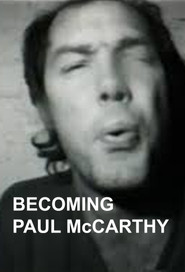
Becoming Paul McCarthy
Character:Self
Release Date:27/10/2020

Coach Stage Stage Coach
Character:
Release Date:15/02/2019

The Art Foundry
Character:
Release Date:25/04/2014

Paul McCarthy: Destruction of the Body
Character:
Release Date:28/02/2001

Heidi: Midlife Crisis Trauma Center and Negative Media-Engram Abreaction Release Zone
Character:
Release Date:30/10/1992
Family Tyranny (Modeling and Molding)
Character:Father
Release Date:01/01/1987
Cultural Soup
Character:
Release Date:01/01/1987
Class Fool
Character:Self
Release Date:01/01/1976

Black and White Tapes
Character:
Release Date:07/07/1975

Sailor's Meat (Sailor's Delight)
Character:
Release Date:28/04/1975

Sauce
Character:
Release Date:06/02/1974
Images