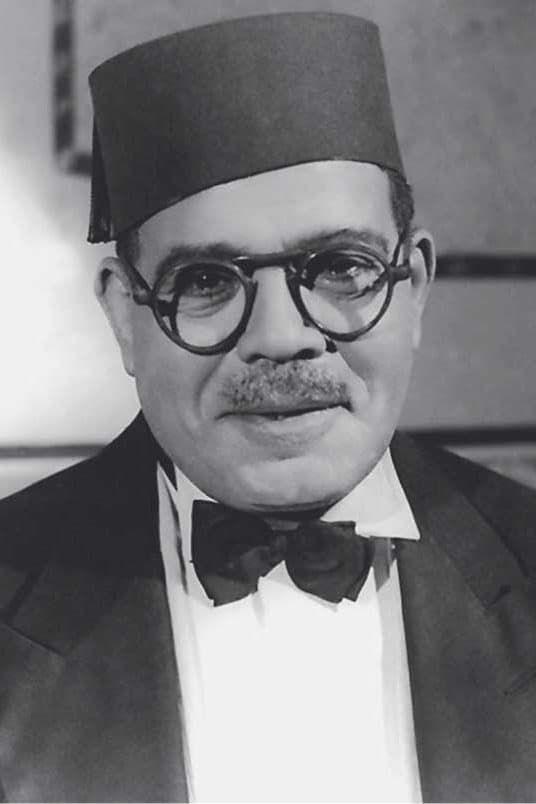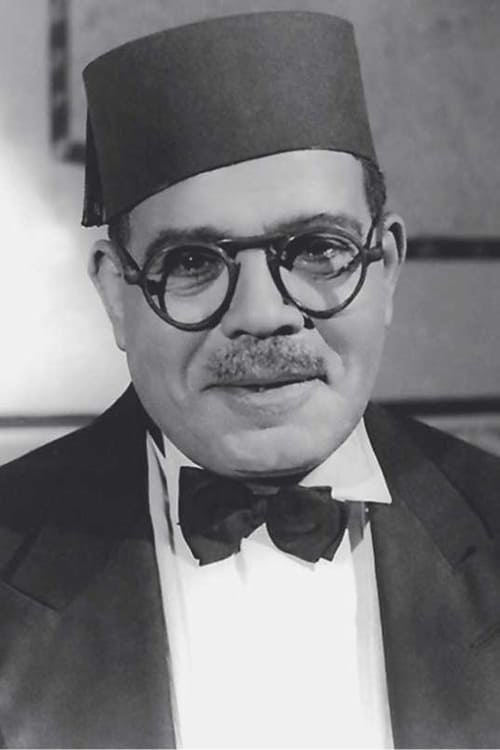
A pioneer of musical comedy, he was born in the Sayeda Zeinab district in 1887. He began his artistic career in 1908 by working in the Zainab Theatre Company, which he founded in 1907. He then worked in the George Abyad Company, where he met Amin Sedky. Together, they formed an acting company in 1916, named after Ali Al-Kassar and Mustafa Amin. On January 6, 1919, he moved his company to his new theatre, the Majestic, on Emad El-Din Street, with his partner and playwright, Amin Sedky. It was the strongest and most successful comedy company, without competition, and it withstood all the challenges that the history of modern Egyptian theatre has known. The two partners remained together until they parted ways at the end of the summer of 1925. Ali Al-Kassar continued to work alone with a troupe bearing his name at the Majestic Theatre until 1939. Throughout that period, he remained steadfast and artistically brilliant, regularly presenting full theatrical seasons to his audience, summer and winter, a new play every three weeks, and eleven concerts, including matinees and soirées, per week. He also traveled with his troupe throughout the governorates of Upper and Lower Egypt and sister Arab countries. Ali Al-Kassar's plays were written by many prominent writers, such as Amin Sedqi, Badi' Khairi, Hamed Al-Sayed, and others. He also presented more than two hundred operettas to the theatre. Ali Al-Kassar's immortal artistic character (Othman Abdel Basset) in his plays represented a symbol of the popular hero who triumphed for his popularity on the stage of that era. He presented it in a variety of different roles, and he never presented it as a servant or a doorman in one of his novels. He remained that way until he dissolved his troupe in 1950 after he became tired of searching for a stage to work on constantly. This was after he left his great theater (the Majestic) following a dispute with its owner, Khawaja Kosti, due to the lack of theaters at that time and the proliferation of cinemas that had taken over the scene instead of theaters. Director and producer Togo Mizrahi exploited the success of the character (Othman Abdel Basset) on the stage, and transferred it to the white screen in nine films, which were not presented by Ali Al-Kassar. It is worth noting that the success of the character (Othman Abdel Basset) did not require him to be presented in the cinema as a doorman or servant. In all the 36 films that presented the character, directed by major directors such as Hussein Fawzy, Hassan El Imam, Mahmoud Zulfikar, and Fouad Khalil, the character was not presented as a servant or doorman except in the film (A Bullet in the Heart). Ali Al-Kassar passed away in Kasr Al-Aini Hospital on January 15, 1957, at the age of 69, after a long struggle with poverty and illness.
A pioneer of musical comedy, he was born in the Sayeda Zeinab district in 1887. He began his artistic career in 1908 by working in the Zainab Theatre Company, which he founded in 1907. He then worked in the George Abyad Company, where he met Amin Sedky. Together, they formed an acting company in 1916, named after Ali Al-Kassar and Mustafa Amin. On January 6, 1919, he moved his company to his new theatre, the Majestic, on Emad El-Din Street, with his partner and playwright, Amin Sedky. It was the strongest and most successful comedy company, without competition, and it withstood all the challenges that the history of modern Egyptian theatre has known. The two partners remained together until they parted ways at the end of the summer of 1925. Ali Al-Kassar continued to work alone with a troupe bearing his name at the Majestic Theatre until 1939. Throughout that period, he remained steadfast and artistically brilliant, regularly presenting full theatrical seasons to his audience, summer and winter, a new play every three weeks, and eleven concerts, including matinees and soirées, per week. He also traveled with his troupe throughout the governorates of Upper and Lower Egypt and sister Arab countries. Ali Al-Kassar's plays were written by many prominent writers, such as Amin Sedqi, Badi' Khairi, Hamed Al-Sayed, and others. He also presented more than two hundred operettas to the theatre. Ali Al-Kassar's immortal artistic character (Othman Abdel Basset) in his plays represented a symbol of the popular hero who triumphed for his popularity on the stage of that era. He presented it in a variety of different roles, and he never presented it as a servant or a doorman in one of his novels. He remained that way until he dissolved his troupe in 1950 after he became tired of searching for a stage to work on constantly. This was after he left his great theater (the Majestic) following a dispute with its owner, Khawaja Kosti, due to the lack of theaters at that time and the proliferation of cinemas that had taken over the scene instead of theaters. Director and producer Togo Mizrahi exploited the success of the character (Othman Abdel Basset) on the stage, and transferred it to the white screen in nine films, which were not presented by Ali Al-Kassar. It is worth noting that the success of the character (Othman Abdel Basset) did not require him to be presented in the cinema as a doorman or servant. In all the 36 films that presented the character, directed by major directors such as Hussein Fawzy, Hassan El Imam, Mahmoud Zulfikar, and Fouad Khalil, the character was not presented as a servant or doorman except in the film (A Bullet in the Heart). Ali Al-Kassar passed away in Kasr Al-Aini Hospital on January 15, 1957, at the age of 69, after a long struggle with poverty and illness.
External links
IMDb: https://www.imdb.com/title/nm0015713
Wikipedia: https://www.wikidata.org/wiki/Q8314523
Facebook: No data
Instagram: No data
X: No data
Filmography (Movies)
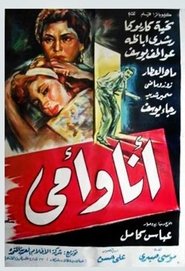
Ana W Omy
Character:
Release Date:29/08/1957
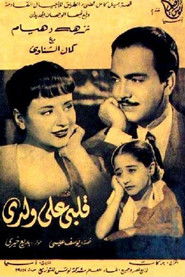
Albi Ala Waldi
Character:Dokdok
Release Date:23/03/1953
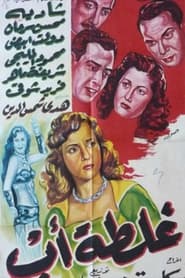
Ghaltet Ab
Character:Meshmesh
Release Date:10/11/1952
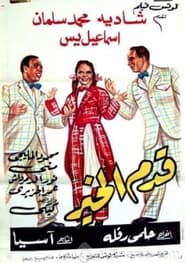
Qadam Al Kheir
Character:Muhammaden
Release Date:08/09/1952
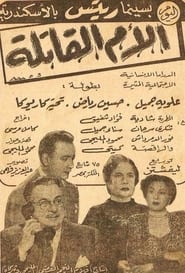
killer mother
Character:
Release Date:01/01/1952
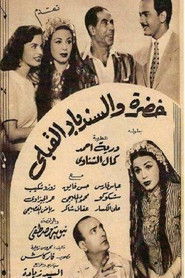
خضرة والسندباد القبلي
Character:
Release Date:02/12/1951
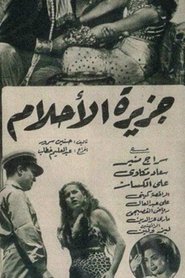
جزيرة الأحلام
Character:
Release Date:02/05/1951
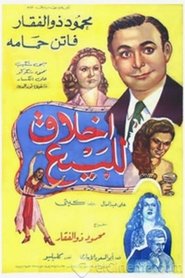
Ethics for Sale
Character:
Release Date:29/12/1950
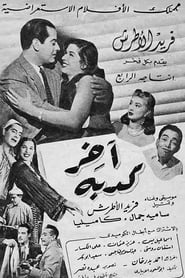
The Last Lie
Character:
Release Date:12/11/1950
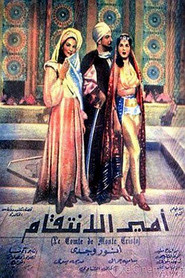
Prince of Revenge
Character:Nour
Release Date:23/10/1950
Prince of Revenge
Character:العبد نور
Release Date:23/10/1950
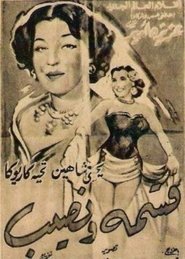
Kisma wa Nassib
Character:Uncle Othman, the servant
Release Date:09/10/1950
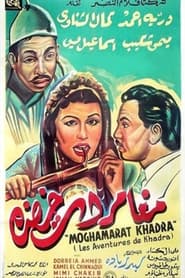
Mughamarat Khadra
Character:
Release Date:14/04/1950

المرأة شيطان
Character:والد أحلام
Release Date:28/04/1949

Congratulations to you
Character:
Release Date:04/04/1949

على أد لحافك
Character:
Release Date:21/03/1949

أسير العيون
Character:عم عثمان
Release Date:01/01/1949
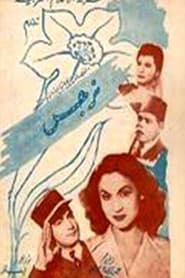
Narges
Character:أبو الفرج
Release Date:15/05/1948
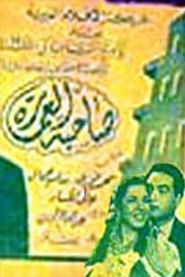
صاحبة العمارة
Character:فرحات بركات - وكيل أشغال
Release Date:18/03/1948
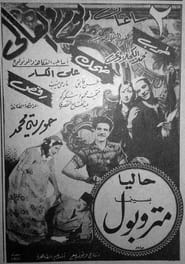
Youm Fil Aali
Character:Osman Efendi
Release Date:11/11/1946

I'm No Angel
Character:
Release Date:28/10/1946
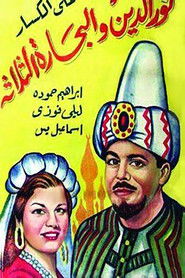
Nour al-Din and the Three Sailors
Character:عثمان عبدالباسط
Release Date:23/11/1944
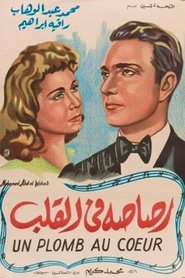
A Bullet in the Heart
Character:البواب
Release Date:27/03/1944
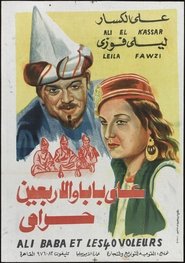
Ali Baba and the Forty Thieves
Character:علي بابا
Release Date:01/10/1942
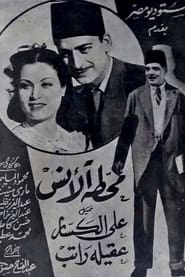
Al-Ans station
Character:
Release Date:01/05/1942
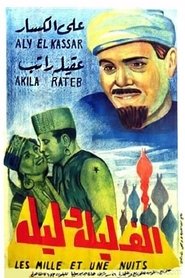
A Thousand and One Nights
Character:عثمان عبدالباسط
Release Date:20/03/1941

Lend Me Three Pounds
Character:عثمان عبدالباسط
Release Date:28/09/1939
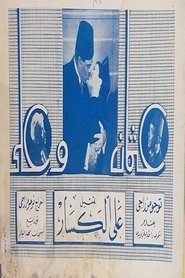
Osman and Ali
Character:عثمان عبدالباسط/ علي بك
Release Date:02/11/1938
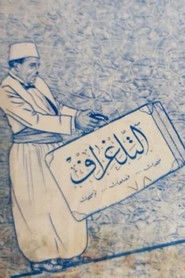
El Teleghraf
Character:
Release Date:02/01/1938
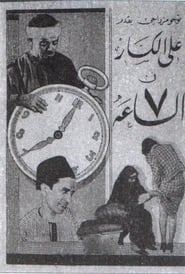
Seven O'clock
Character:عثمان
Release Date:06/12/1937

The Night Watchman
Character:عثمان عبد الباسط
Release Date:29/10/1936

The Building Doorman
Character:
Release Date:01/07/1935
The American Aunt
Character:
Release Date:02/01/1920
Images