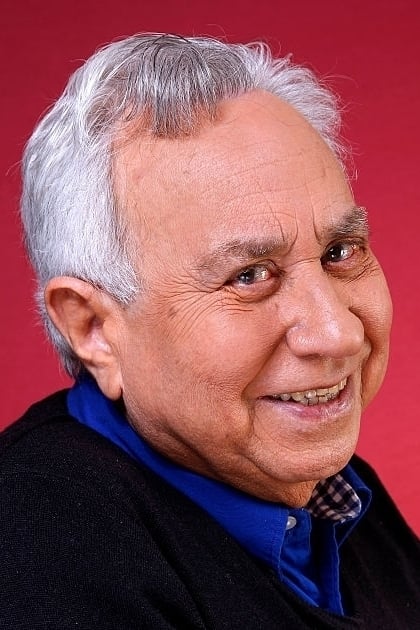
Prosper Charles Bensoussan professionally known as Philippe Clair (14 September 1930 – 28 November 2020) was a Moroccan-French actor, director, producer, screenwriter, and popular humorist. Along with fellow French directors Max Pécas and Richard Balducci, his name is synonymous with the golden age of camp and low comedy in French cinema.
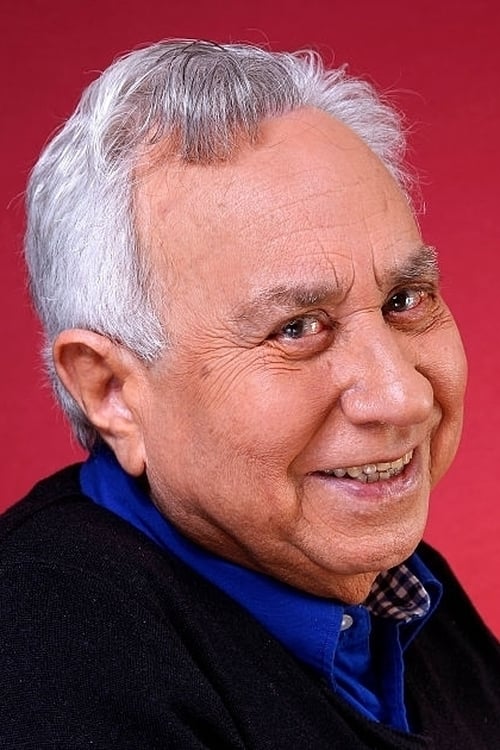
Prosper Charles Bensoussan professionally known as Philippe Clair (14 September 1930 – 28 November 2020) was a Moroccan-French actor, director, producer, screenwriter, and popular humorist. Along with fellow French directors Max Pécas and Richard Balducci, his name is synonymous with the golden age of camp and low comedy in French cinema.
Philippe Clair moved to Paris in 1950 to study acting at the National Conservatory of Dramatic Arts of Paris. He won the Bernstein and College Stars awards, honors given to the best young Parisian actors. He performed on stage and television with major directors and writers in shows such as L'Affaire des poisons [Affair of the Poisons] directed by Raymond Rouleau, Une femme libre [A free woman] by Armand Salacrou, and Les Îles fortunées [The Prosperous Islands] by Simon Gantillon. Eventually he got a show of his own and became an important French humorist, mounting such works as the Judeo-Arabic Purée de nous z'otres [Mashed we z'otres], and Le Cid in Oued Bel [Parody of El Cid] based on the book by Edmond Brua. He specialized in improvisation and in writing comedy sketches.
In 1965 Clair directed his first film, Déclic et des claques [Clicks and Slaps] with Annie Girardot, the comic misadventures of a young pied-noir [French Algerian] in Paris. He continued his work as a singer: in 1967, his sketch Rien Nasser de courir which satirized the Six-Day War was banned because of its political overtones.
In 1970, Philippe Clair became the leading director of popular comedy. His humor usually had a French Algerian flavor. Most of his films were commercial successes, although sometimes they were panned by critics who called them vulgar or overacted. His films were often plagiarized by other directors with typical French disrespect or–as the French call it–franchouillards.
His 1971 film La Grande Java [Great Java] launched the comedy careers of the members of the French band Les Charlots. He went on to use band member Aldo Maccione in The Great Maffia, Plus beau que moi, tu meurs [More beautiful than me, you die], and Tais-toi quand tu parles! [Shut up when you talk]. He made several surreal films, such as Le Führer en folie [The Fuhrer Runs Amok], which featured Henri Tisot in the role of Adolf Hitler and in which Michel Galabru plays the role of a football referee. In 1984, he managed the greatest coup of his career by casting Jerry Lewis in the film Par où t'es rentré? On t'a pas vu sortir [How Did You Get In? We Didn't See You Leave].
In 2013 journalist and filmmaker Gilles Botineau joined with Philippe Clair to produce a documentary portrait titled, Plus drôle que lui, tu meurs [Funnier than him, you die]. The film, lasting 55 minutes covered Clair's entire career, focusing especially on his vision of comedy. Clair retired in 1990 at the age of 60. However, he returned with a production he wrote in 2013 titled, Help, Philippe Clair returns.
Philippe Clair was not always treated kindly by the critics. Critic John Tulard in the "Dictionary of French directors" said, "His work is incredibly stupid and vulgar". The weekly French magazineTélérama opined, "Every film by Philippe Clair is worse than the last, and yet it never stops". ...
Source: Article "Philippe Clair" from Wikipedia in English, licensed under CC-BY-SA 3.0.
External links
IMDb: https://www.imdb.com/title/nm0163227
Wikipedia: https://www.wikidata.org/wiki/Q3379590
Facebook: No data
Instagram: No data
Filmography (Movies)

The Foreign Eye
Character:Self
Release Date:26/10/2006

Arte 1 Documenta
Character:
Release Date:22/10/2006
Cayenne Palace
Character:José Morgan
Release Date:16/12/1987
Si tu vas à Rio... tu meurs
Character:Shipowner
Release Date:07/07/1987
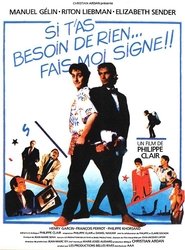
Si t'as besoin de rien, fais-moi signe
Character:Simon
Release Date:06/08/1986
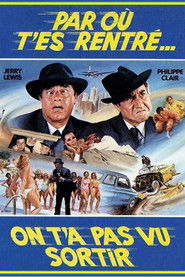
How Did You Get In? We Didn't See You Leave
Character:Prosper de Courtaboeuf
Release Date:18/11/1984
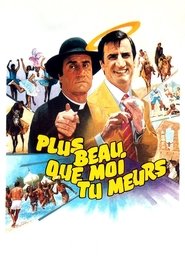
Plus beau que moi tu meurs
Character:Prosper
Release Date:10/11/1982
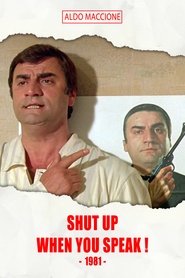
Shut Up When You Speak!
Character:Ahmed
Release Date:02/09/1981
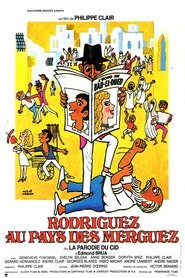
Rodriguez au pays des merguez
Character:Roro
Release Date:06/02/1980
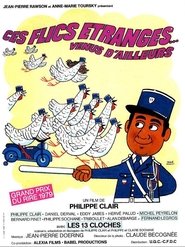
Ces flics étranges venus d'ailleurs
Character:L'adjudant Prosper Perez, dit 'Tonton Merguez'
Release Date:07/02/1979
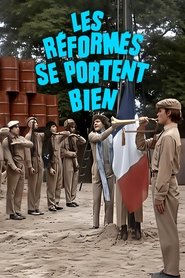
Les réformés se portent bien
Character:L'adjudant Nestor
Release Date:25/10/1978
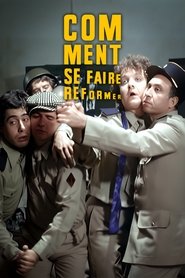
Comment se faire réformer
Character:L'adjudant
Release Date:14/02/1978
Lâche-moi les valseuses!...
Character:Le gérant de la station-service
Release Date:20/07/1977
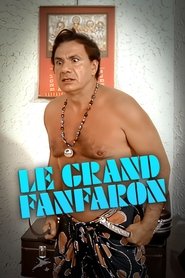
The Braggart
Character:French bus driver in India / voice of Gilbert Malki (uncredited)
Release Date:16/06/1976

The Fuhrer Runs Amok
Character:Le curé de Bab El Oued
Release Date:12/04/1974
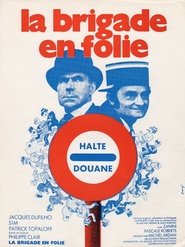
La brigade en folie
Character:Philippot
Release Date:07/02/1973
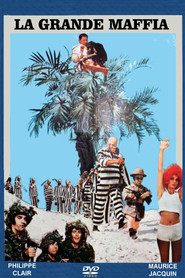
La Grande Maffia
Character:Vicar
Release Date:17/09/1971

The Great Java
Character:
Release Date:13/01/1971
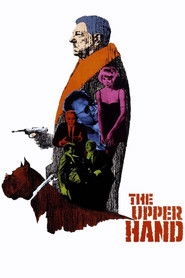
The Upper Hand
Character:
Release Date:02/03/1966

Déclic et des claques
Character:Jean-Philippe
Release Date:05/03/1965
Give Me Ten Desperate Men
Character:
Release Date:17/06/1962
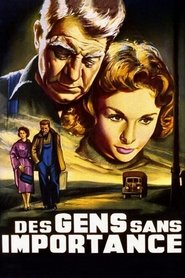
People of No Importance
Character:
Release Date:15/02/1956
Television Appearances


Images