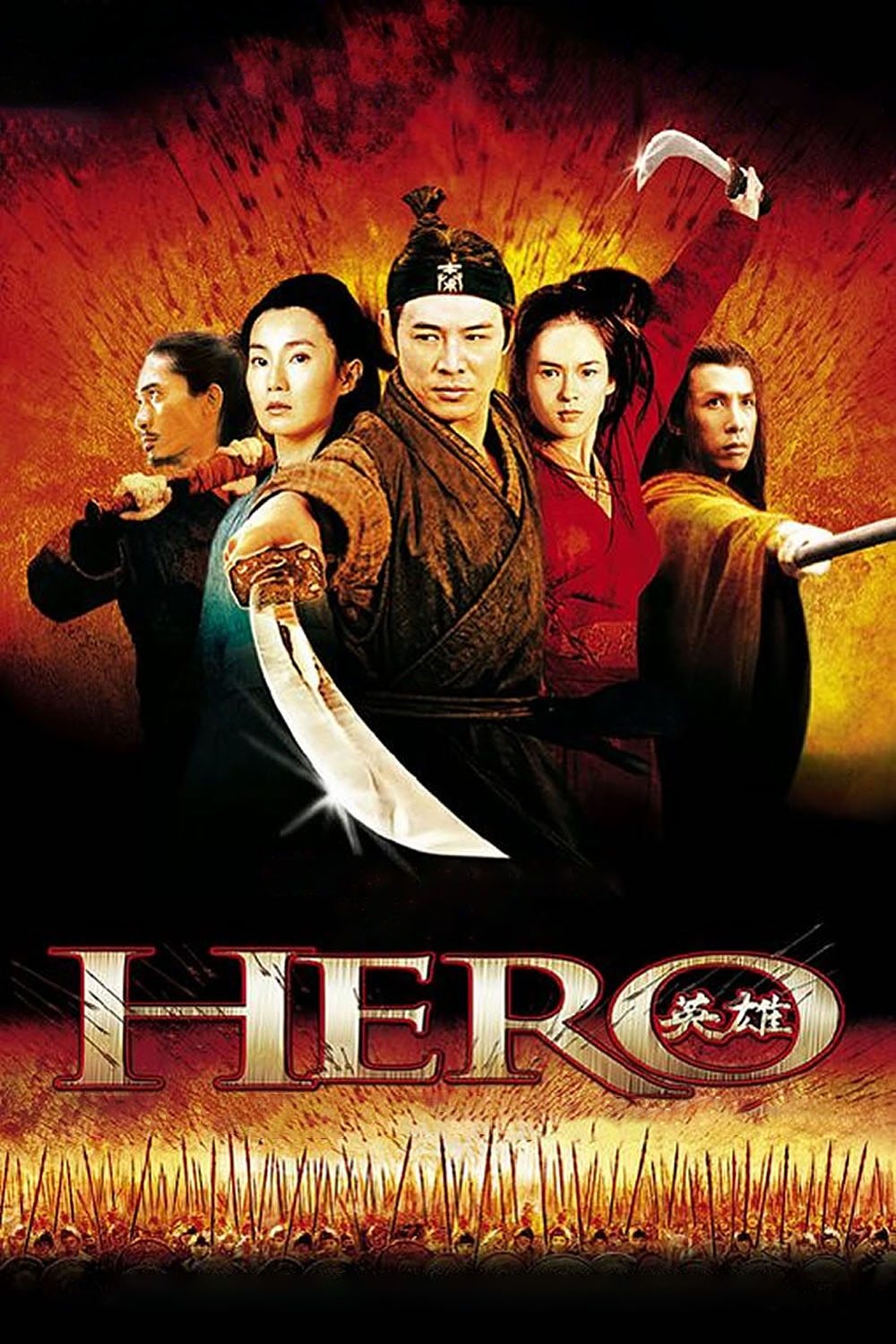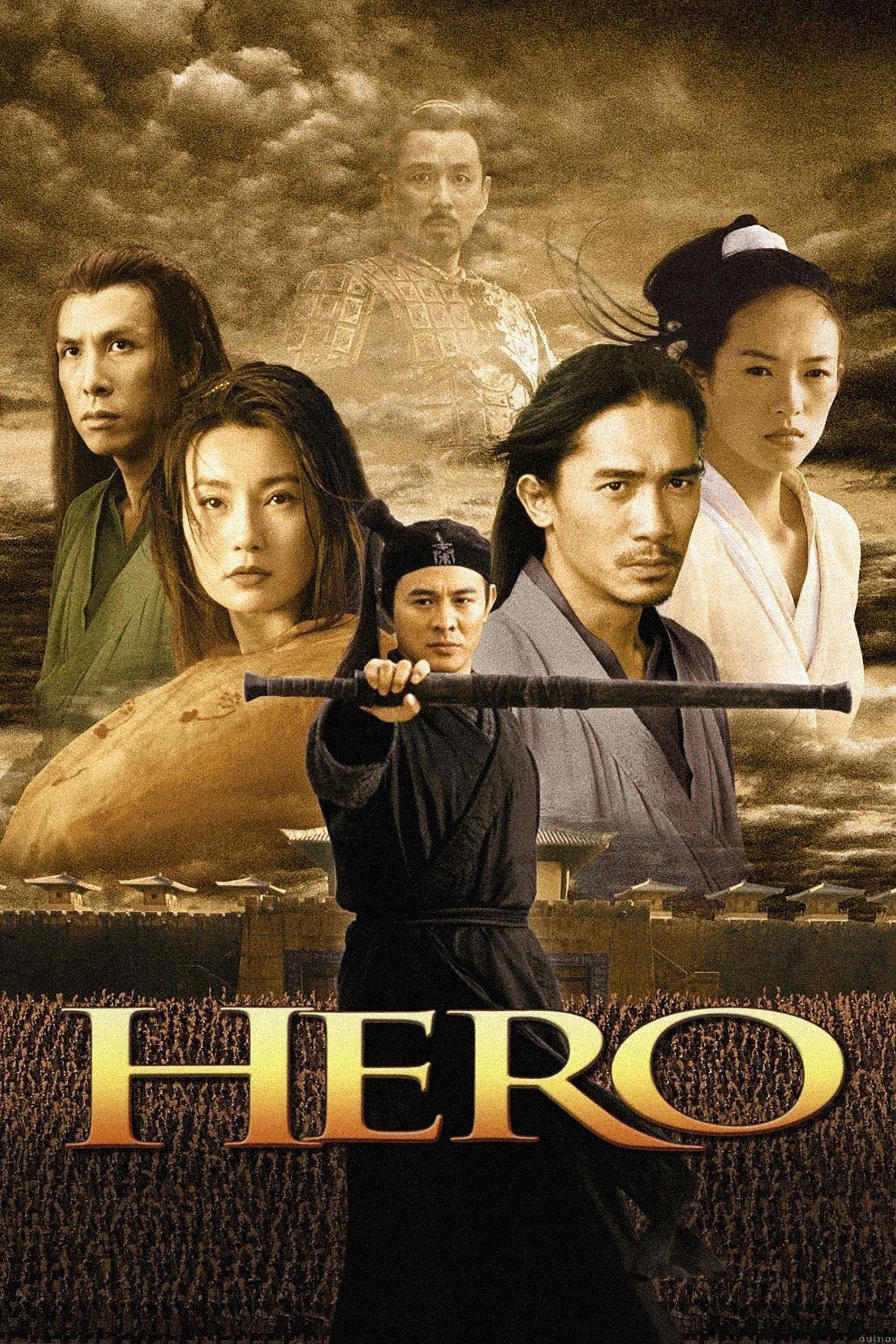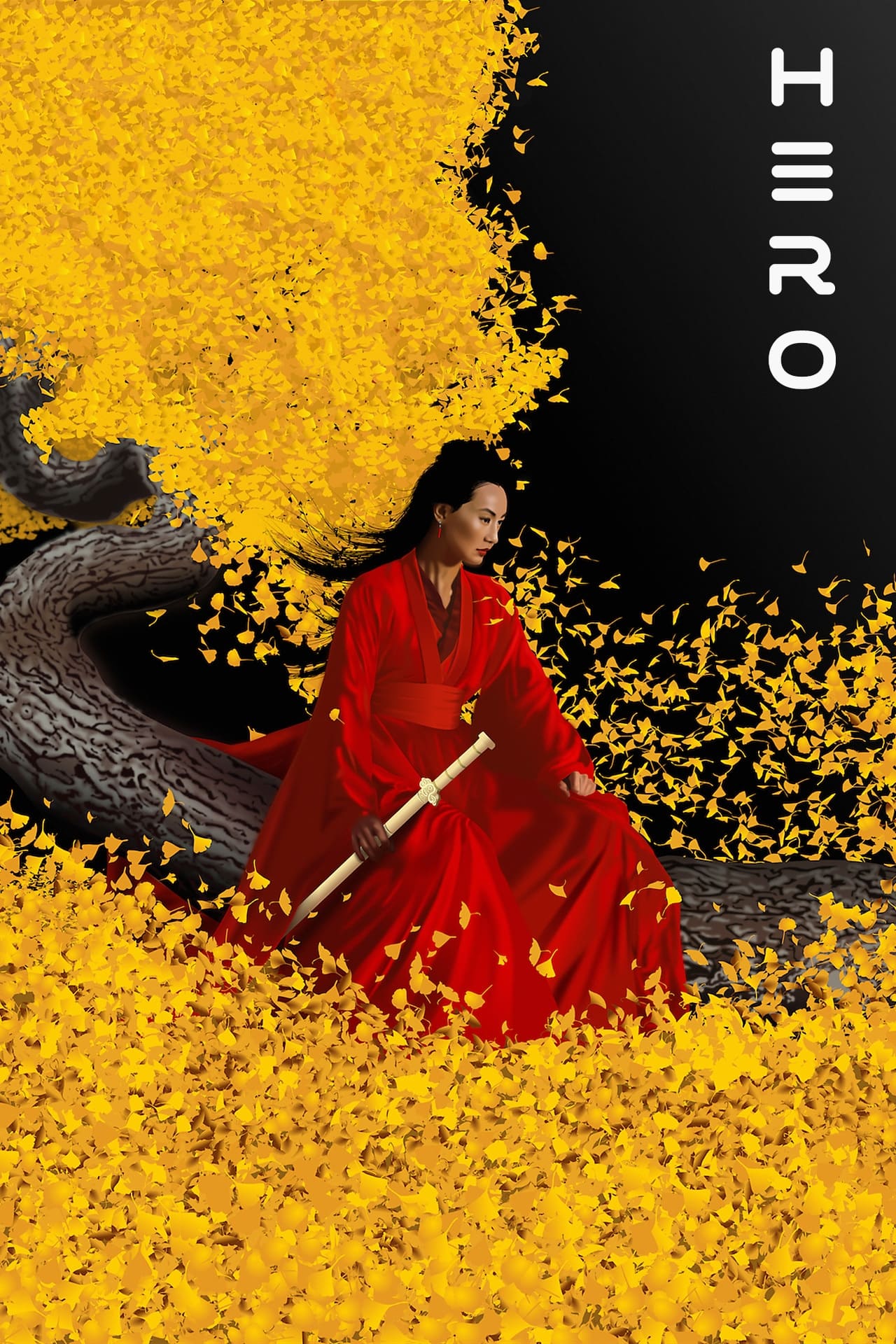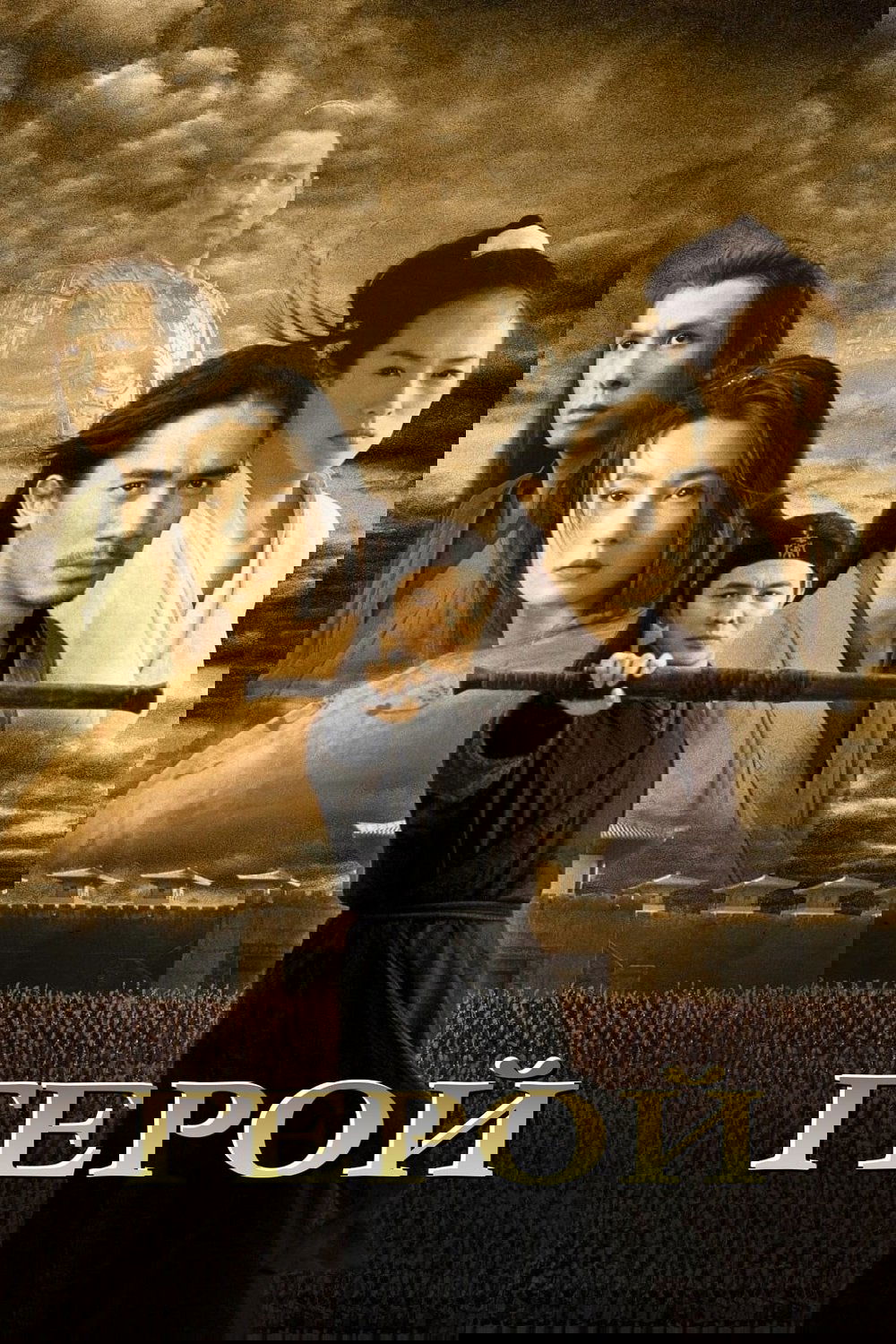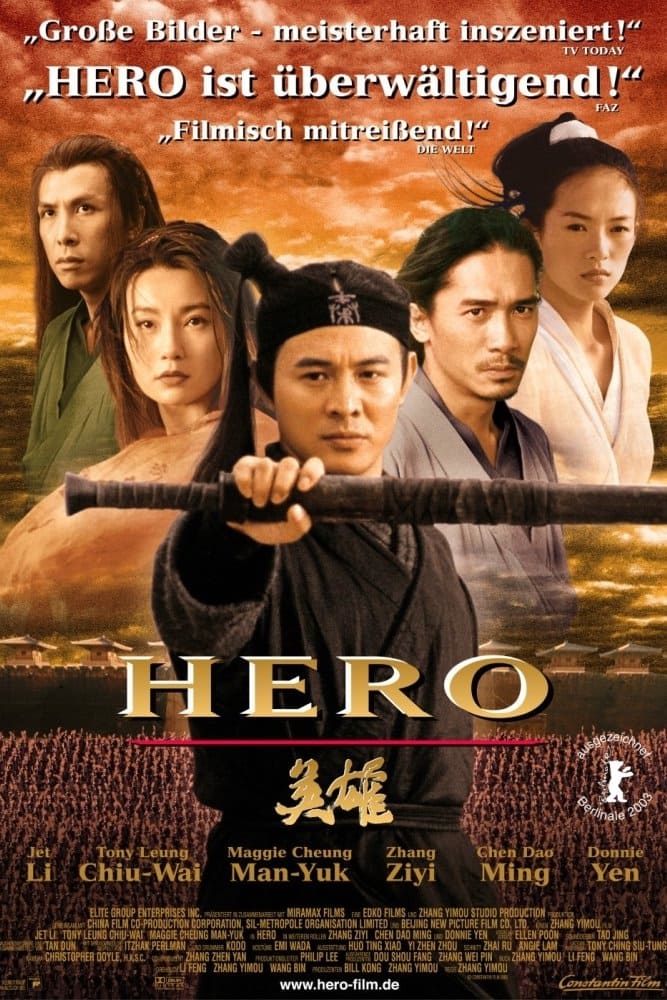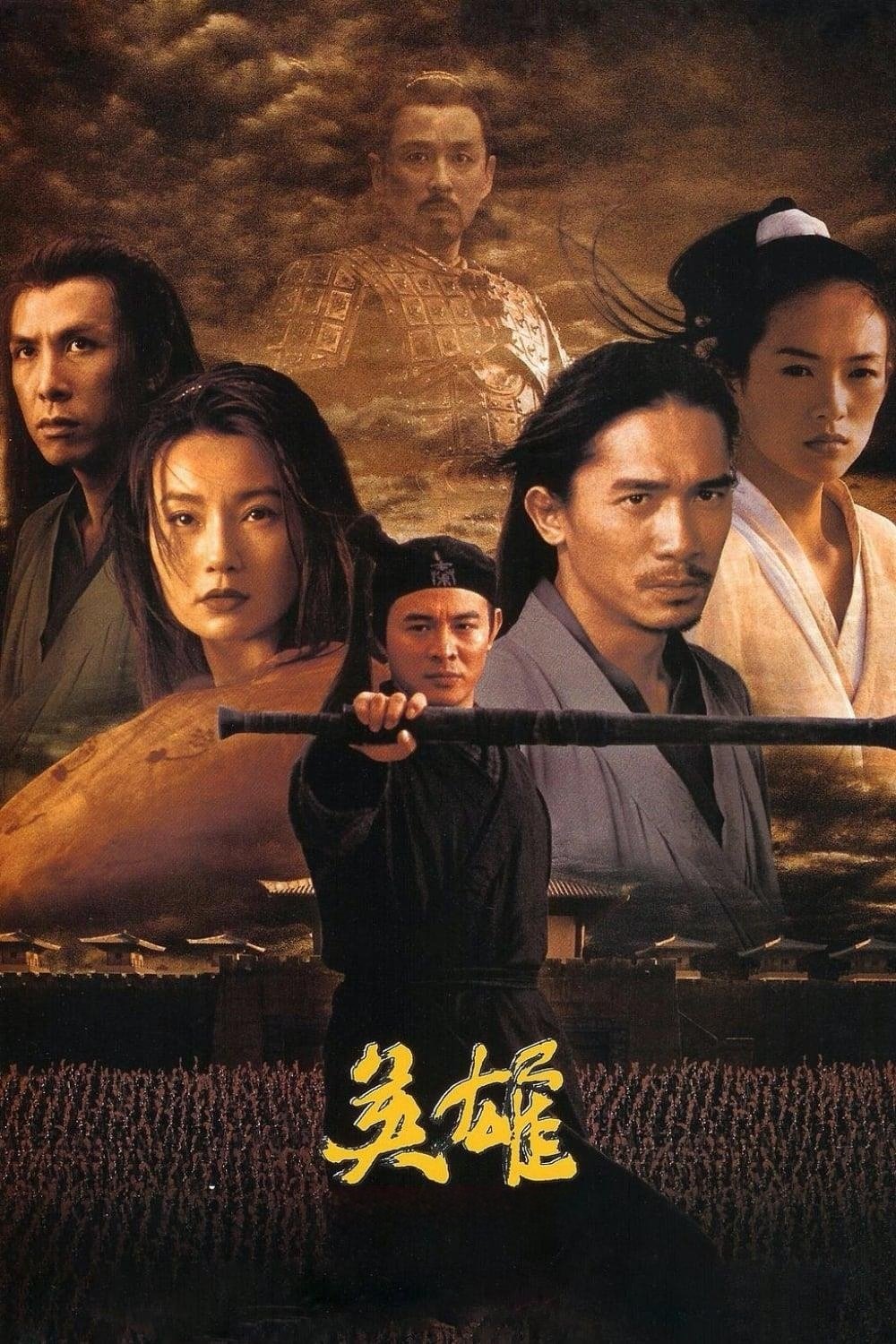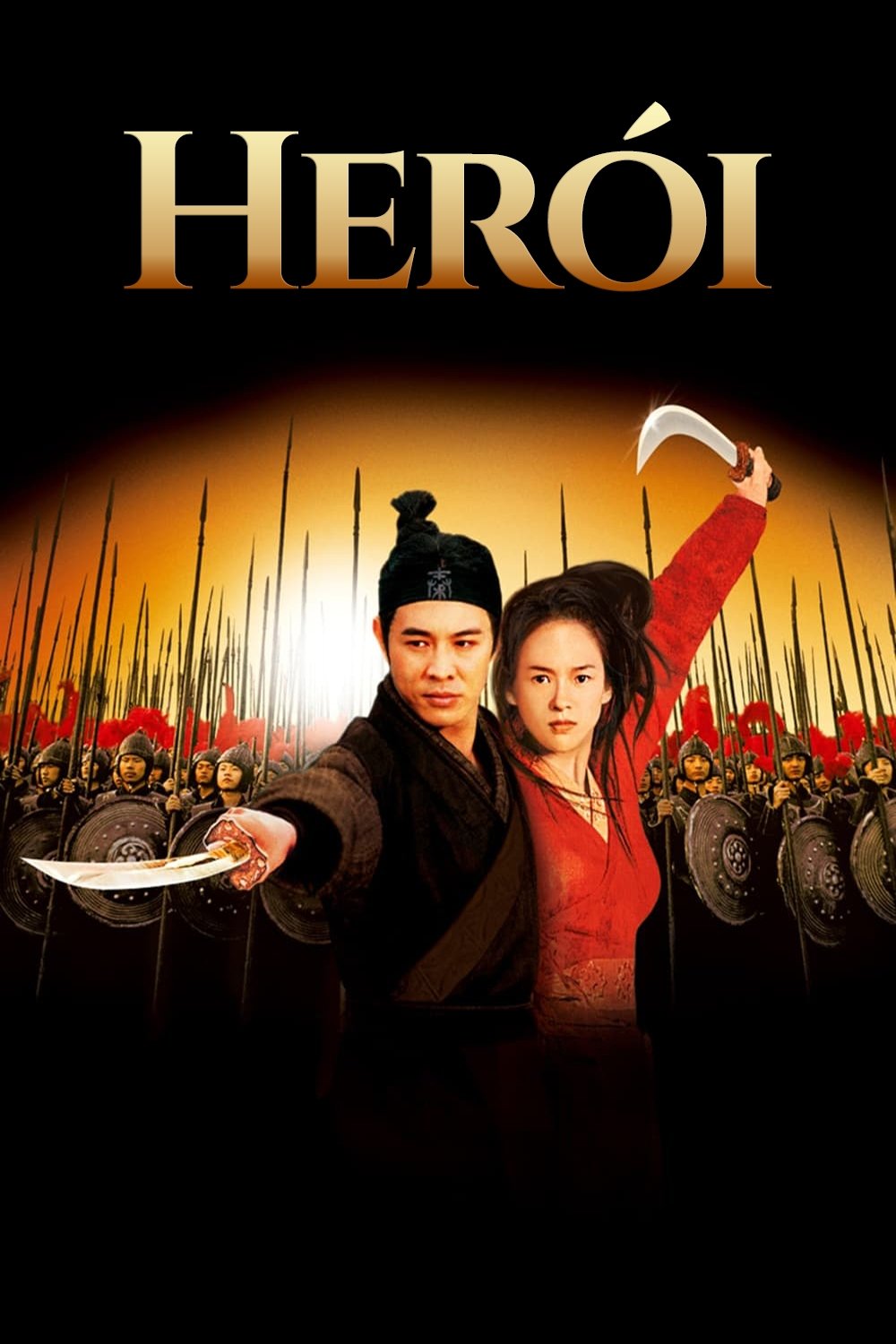
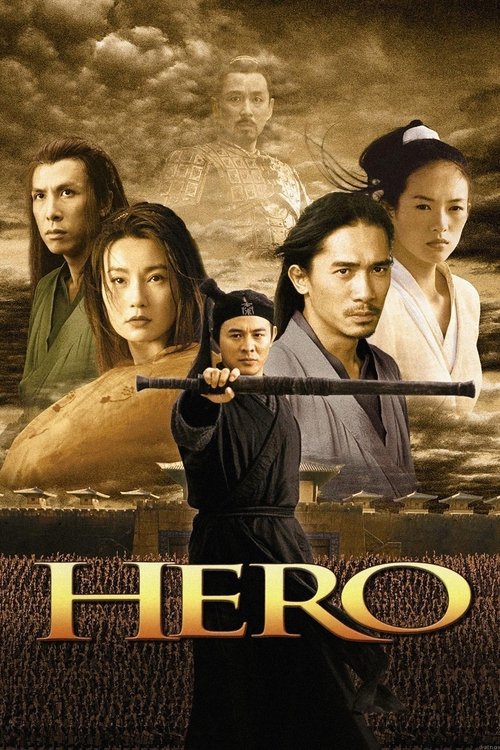
Hero (2002)
One man's strength will unite an empire.
22/07/2002
Overview
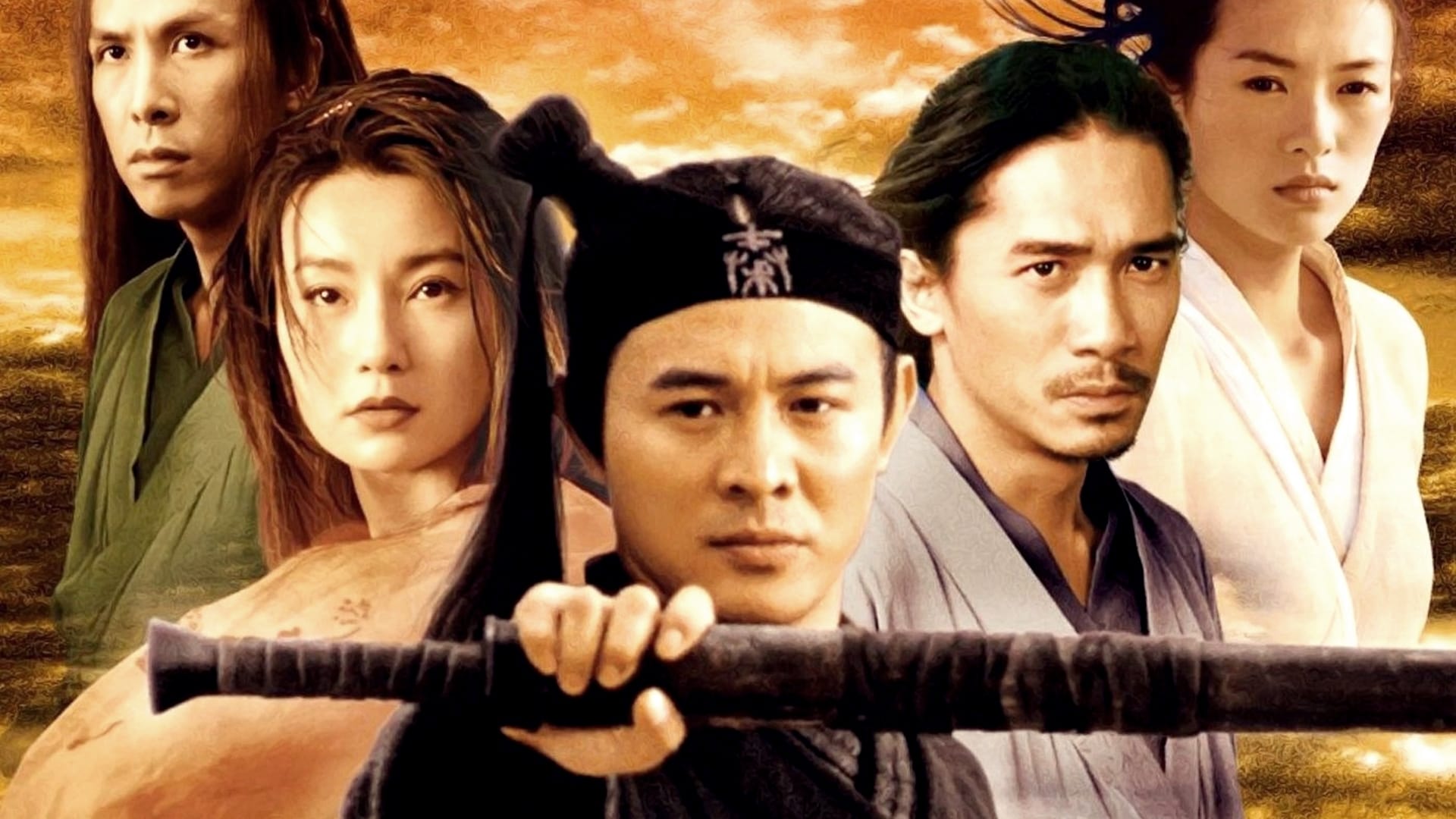
During China's Warring States period, a district prefect arrives at the palace of Qin Shi Huang, claiming to have killed the three assassins who had made an attempt on the king's life three years ago.
Details
Production Companies
Beijing New Picture Film Co. Ltd.

China Film Co-Production Corp.
Elite Group Enterprises
Edko Films

Sil-Metropole Organisation

Zhang Yimou Studio
Social Network
IMDb: https://www.imdb.com/title/tt0299977
Wikipedia: https://www.wikidata.org/wiki/Q260379
Facebook: No data
Instagram: No data
X: No data
Cast
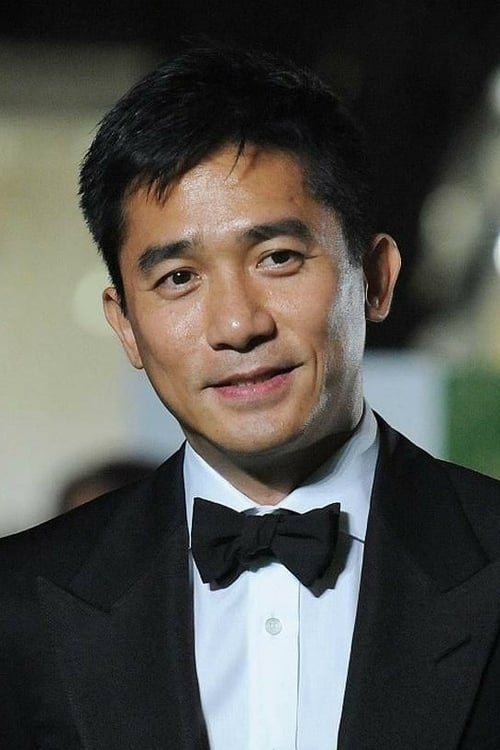
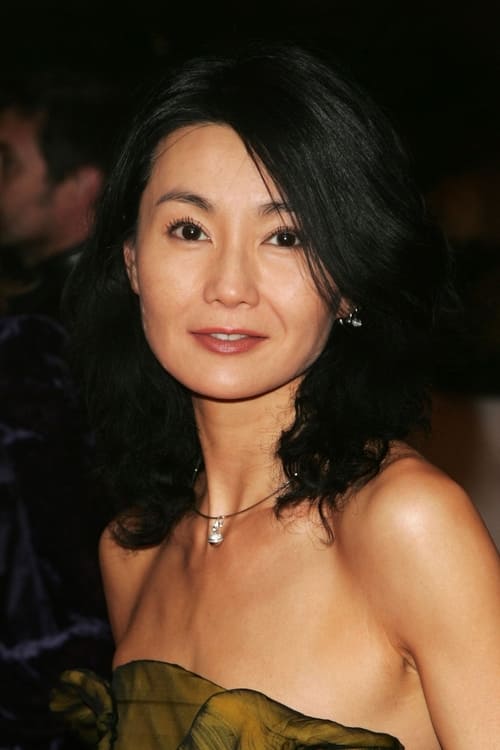
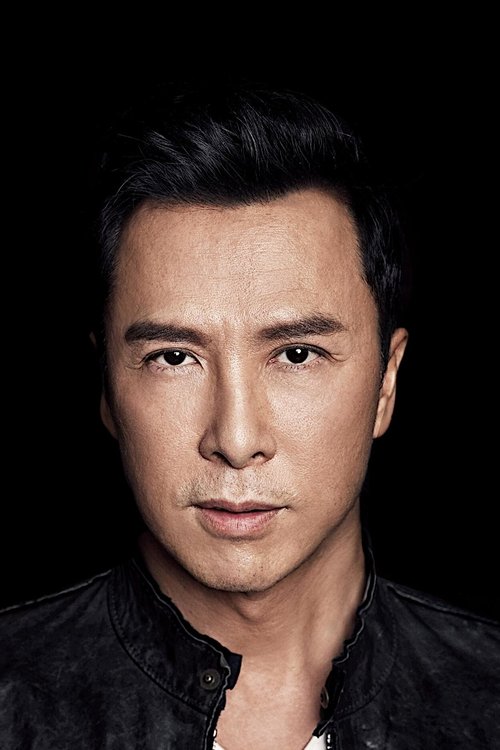
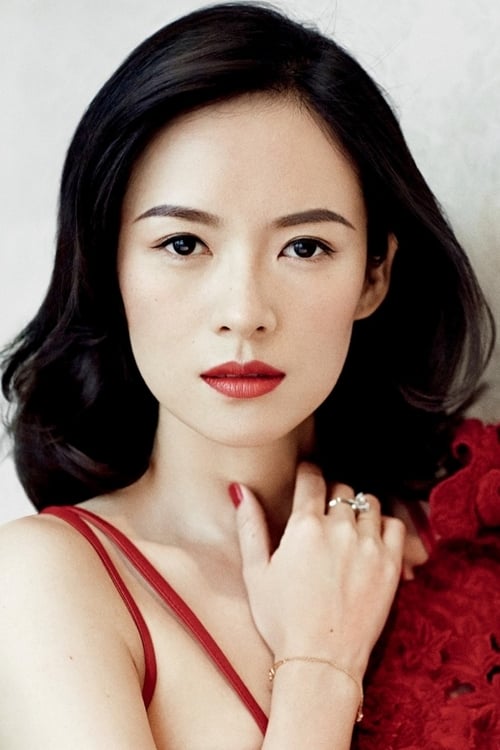


Reviews (1)
Review by: badelf
Written by: badelf on 2025-02-01T16:50:23.819Z
Hero: Zhang Yimou's Cinematic Poem of Movement and Meaning
In "Hero", Zhang Yimou transcends the martial arts genre, transforming physical combat into a language of profound philosophical discourse. What begins as a seemingly simple narrative about an assassin becomes a breathtaking meditation on individual sacrifice and national unity.
Drawing from Kurosawa's multi-perspective storytelling in "Rashomon", Zhang creates something entirely his own. Each retelling of the story is not just a different perspective, but a different visual poem - choreographed fights that are less about violence and more about inner emotional landscapes.
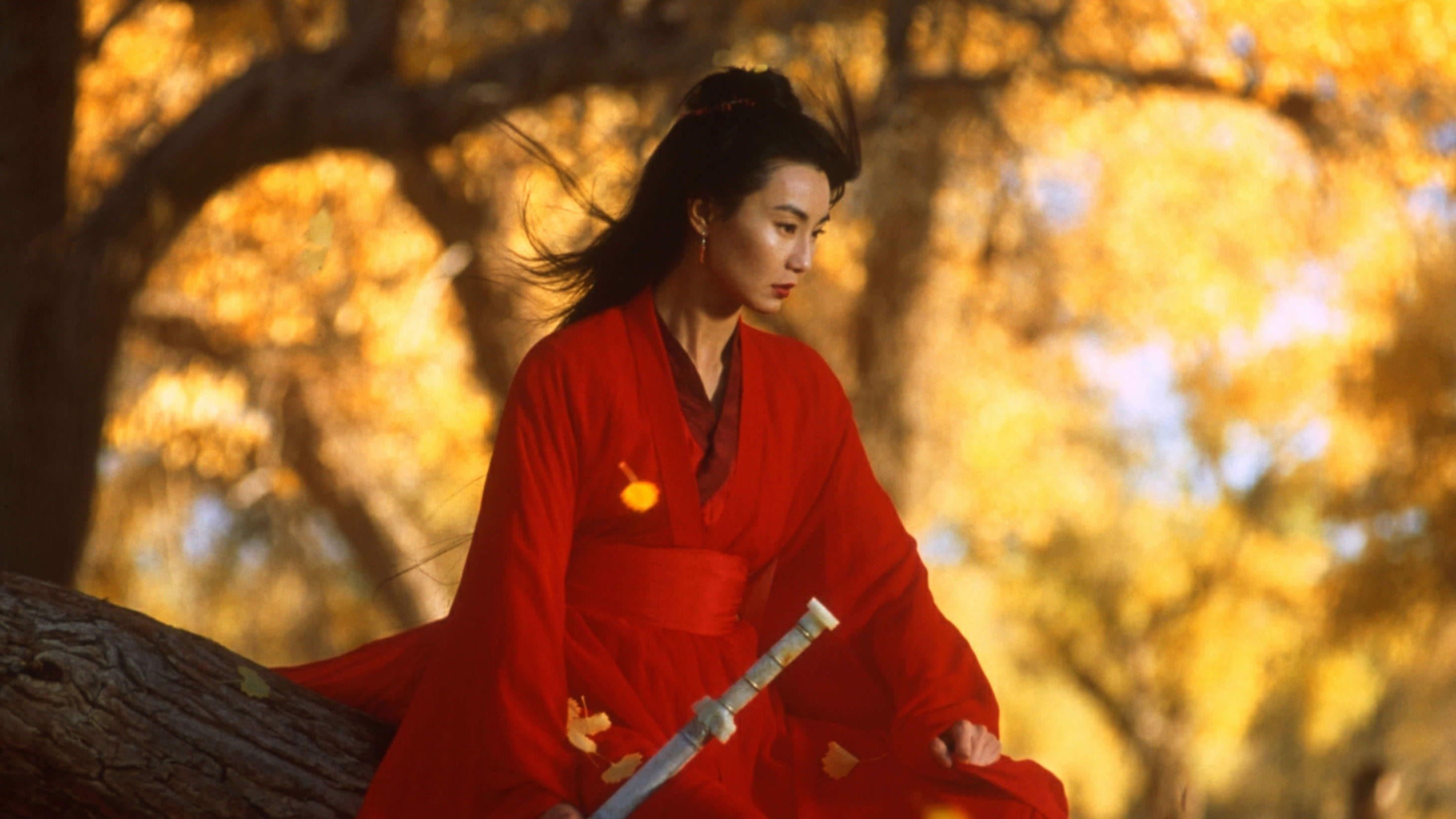
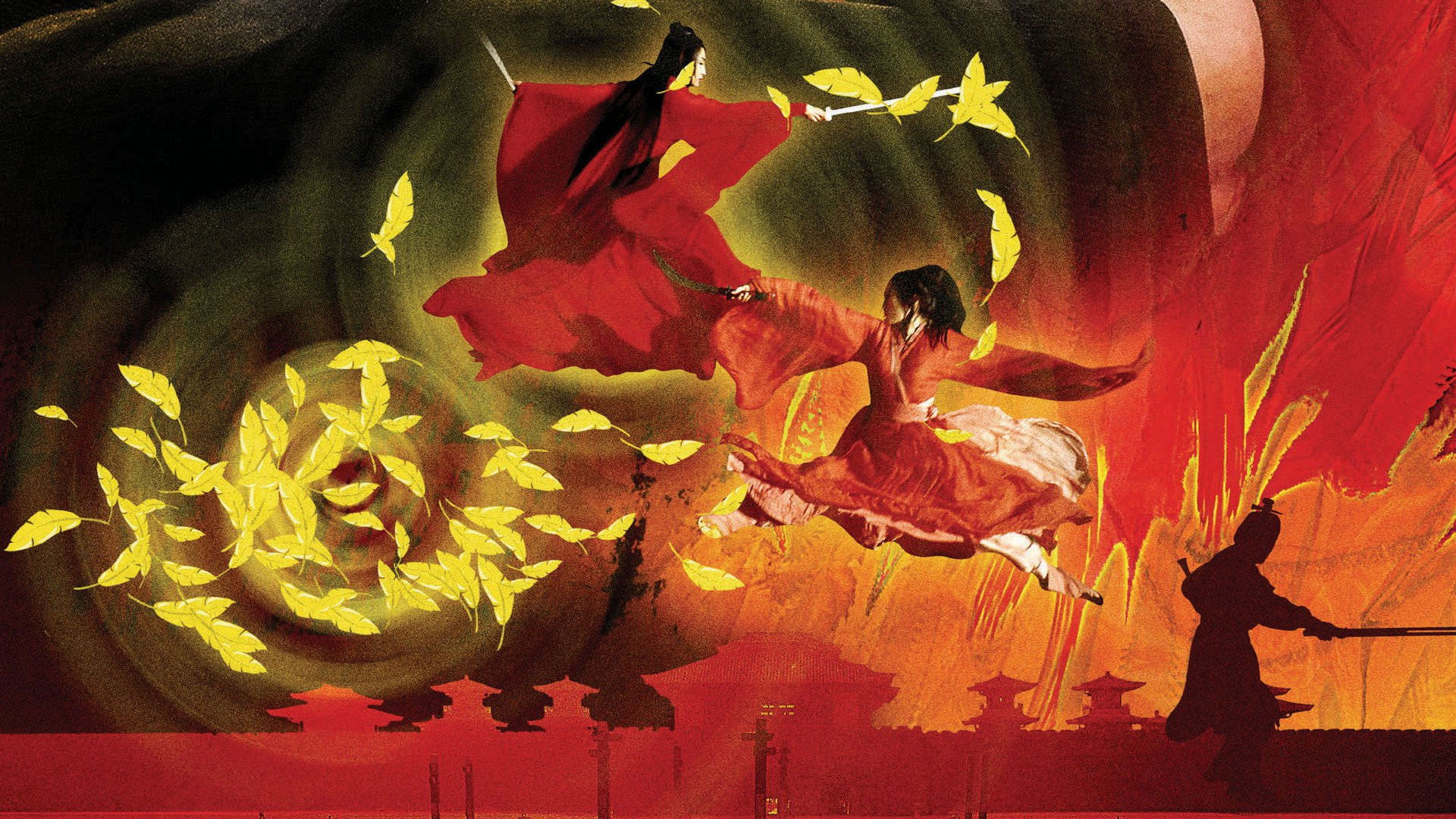
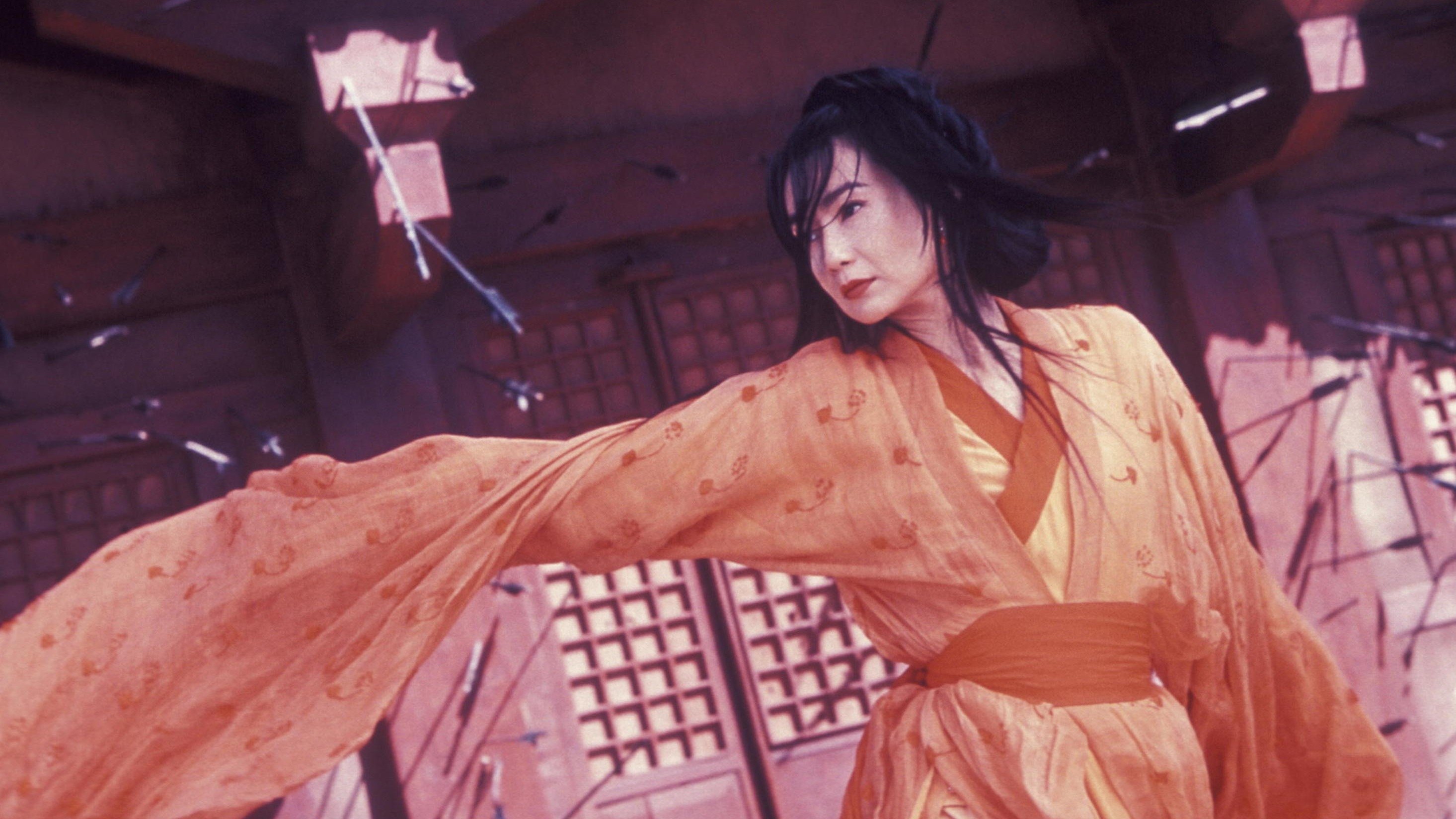
The film's fight sequences are revolutionary. They aren't mere action, but abstract ballets where movement, color, and spatial relationships communicate complex philosophical conflicts. A battle in a chess pavilion or a dance of warriors in falling leaves become metaphors for human connection, political ideology, and personal destiny.
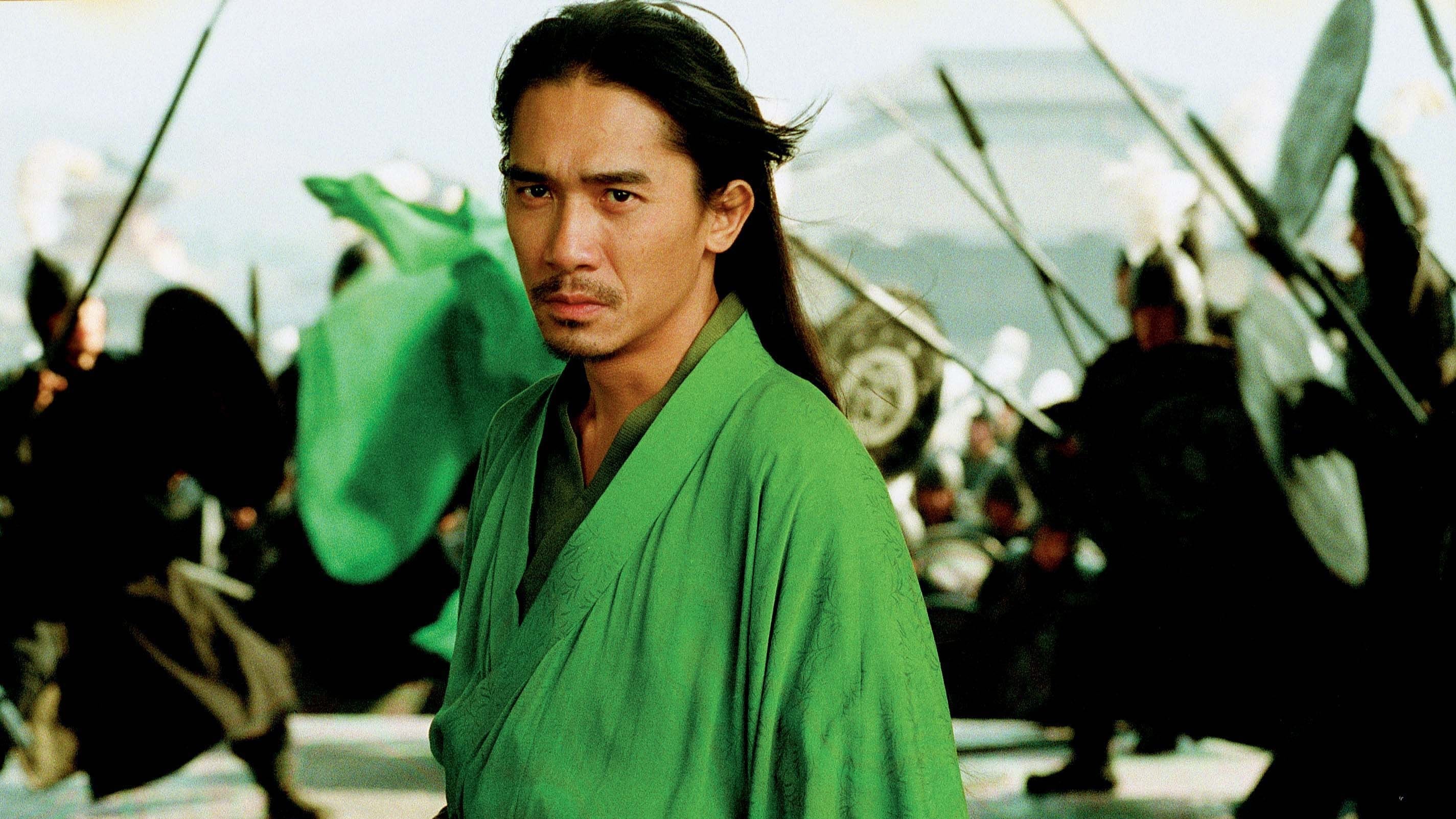
Zhang's visual language is extraordinary. Color isn't decoration, but narrative - each sequence bathed in a different chromatic tone that reflects emotional and philosophical states. Red speaks of passion, blue of melancholy, white of purity and sacrifice.
"Hero" represents an elevation of Zhang's gift for storytelling: a narrative film that is simultaneously a political allegory, a philosophical inquiry, and a visual symphony.
Videos
Backdrops
See all...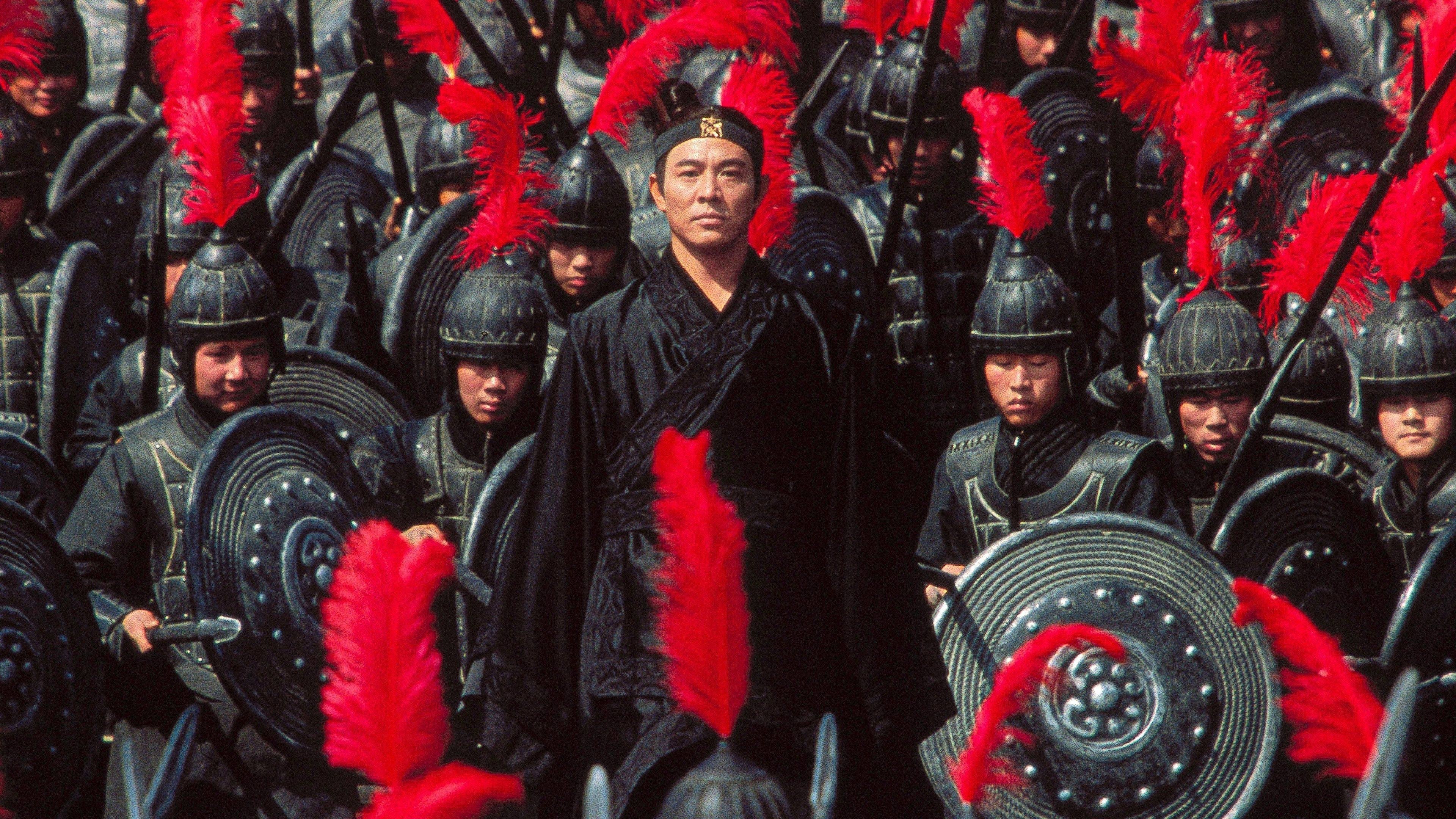
Posters
See all...