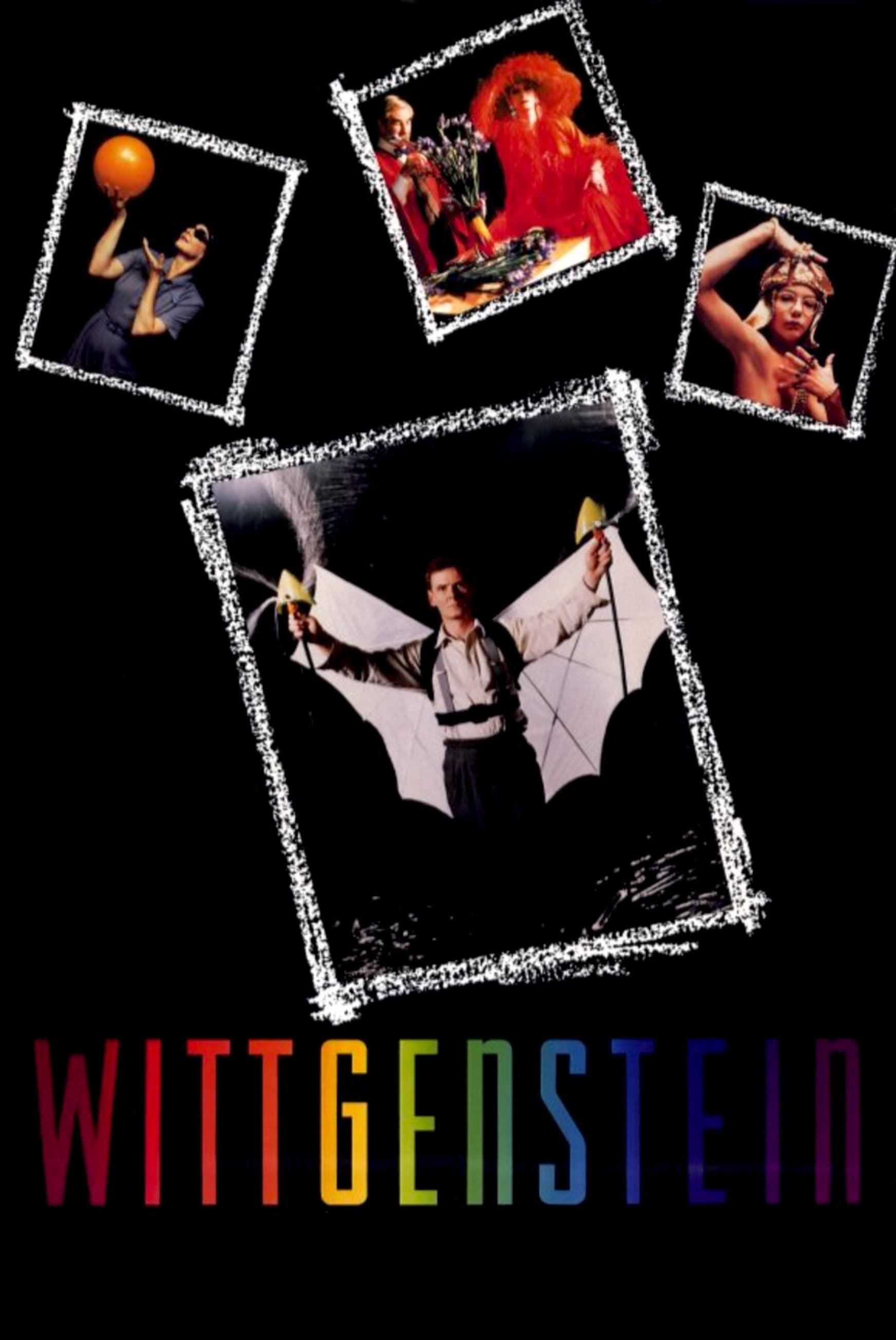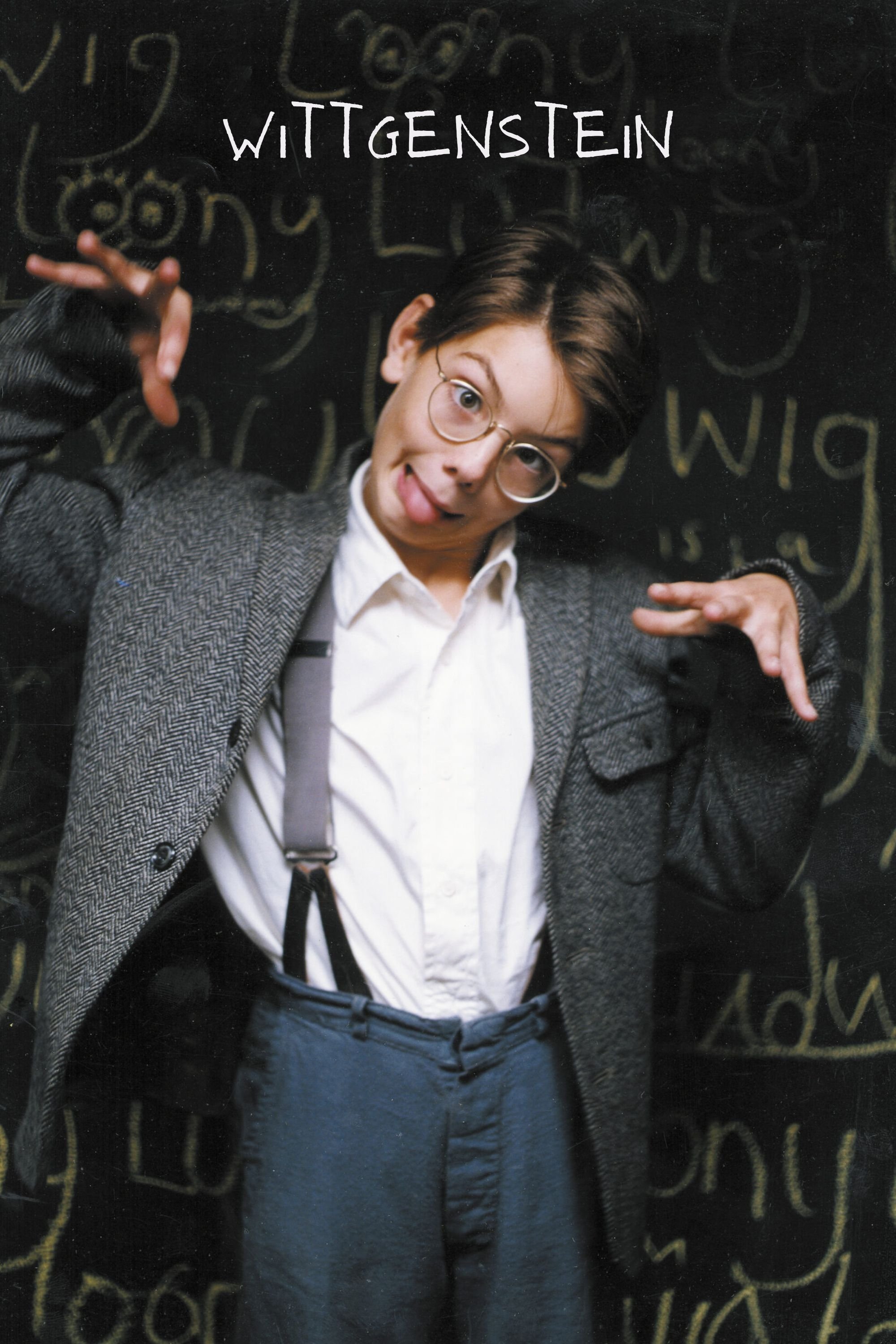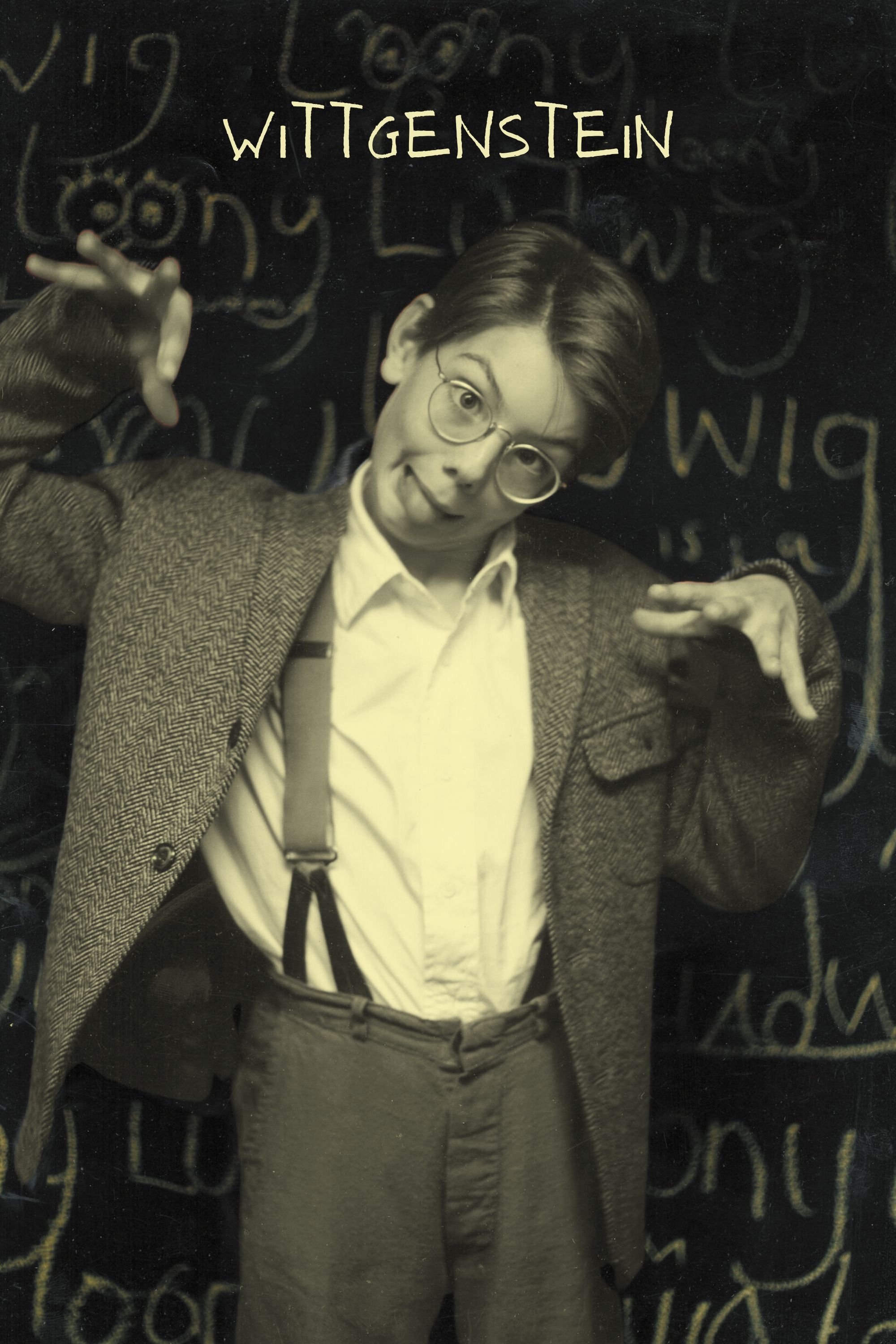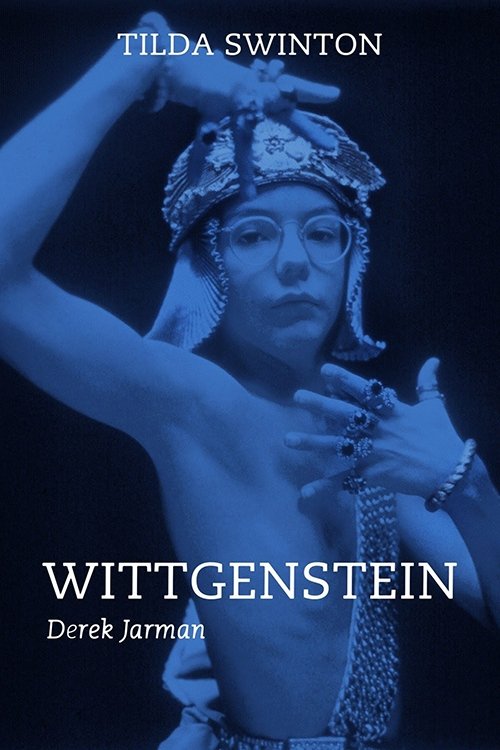
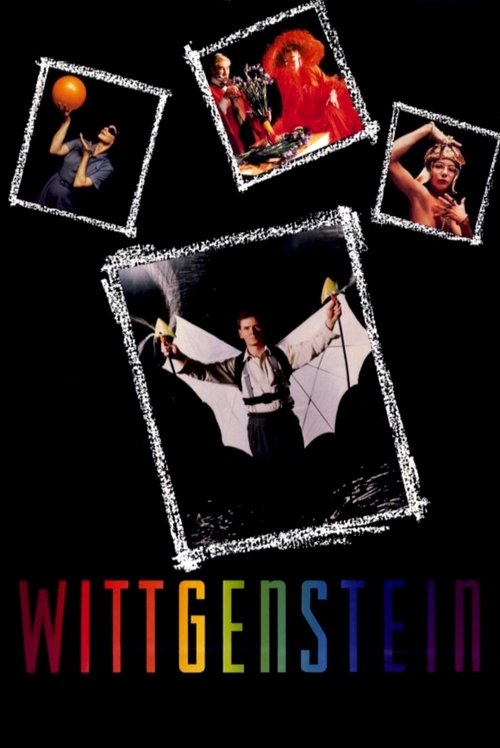
Wittgenstein (1993)
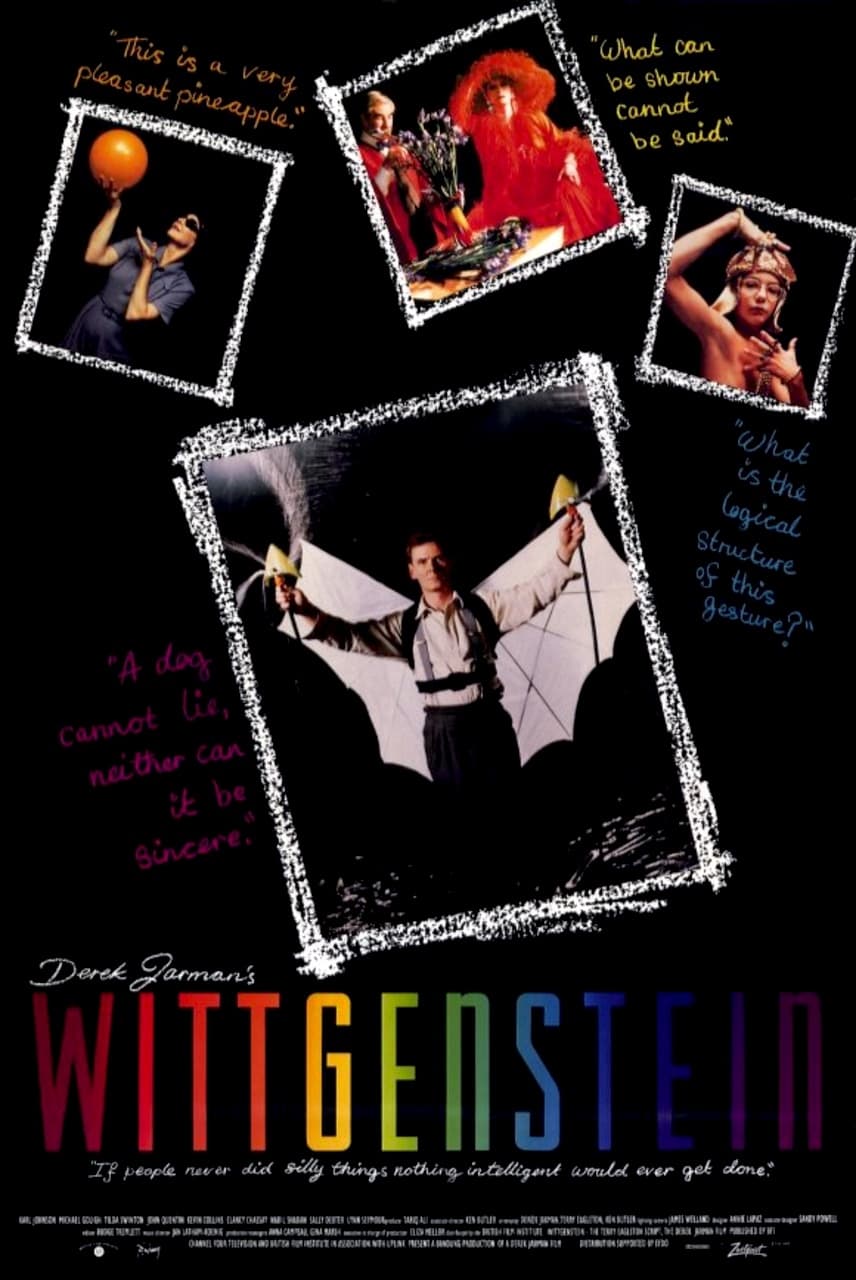
If people never did silly things nothing intelligent would ever get done.
26/03/1993
Overview
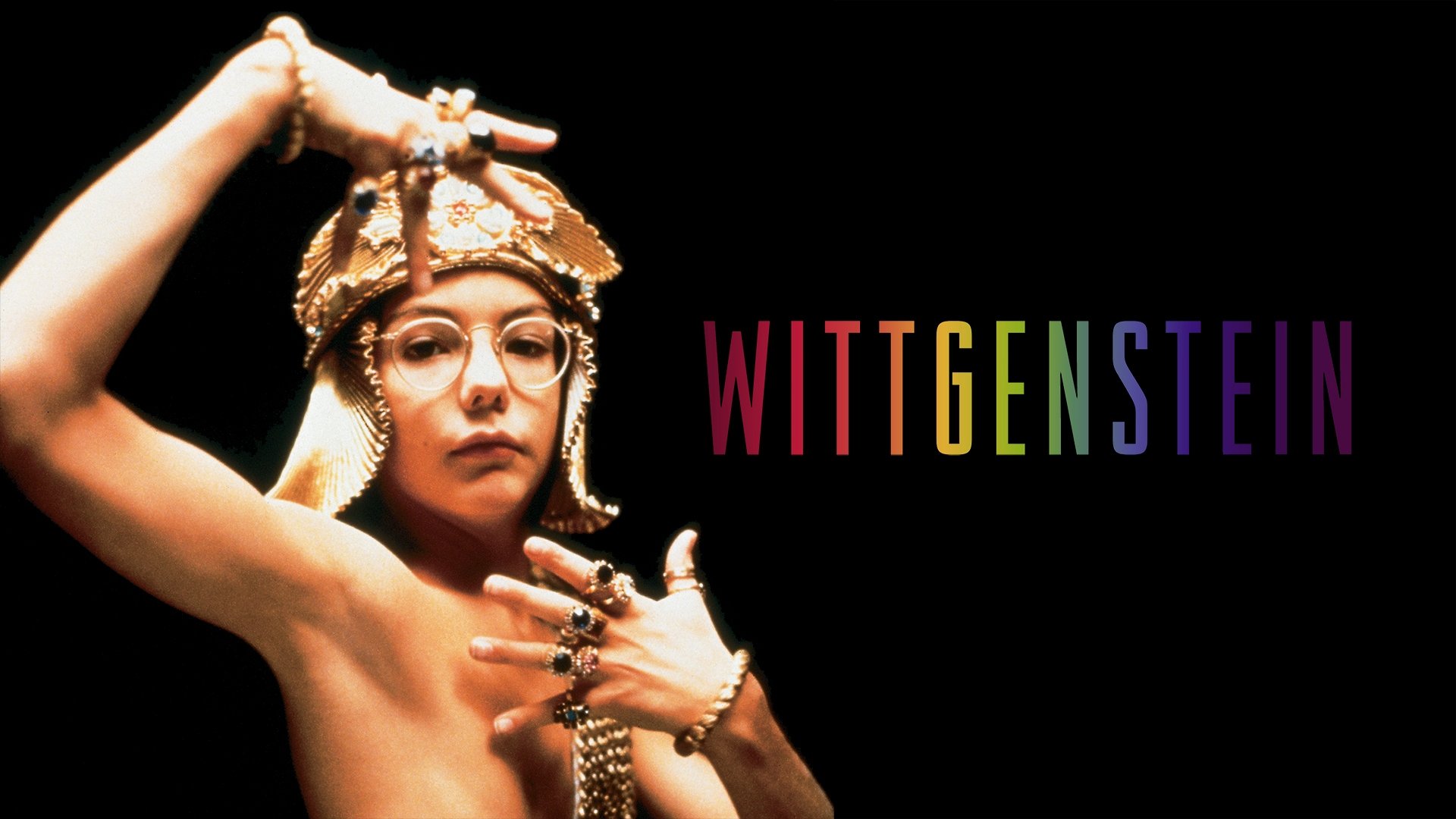
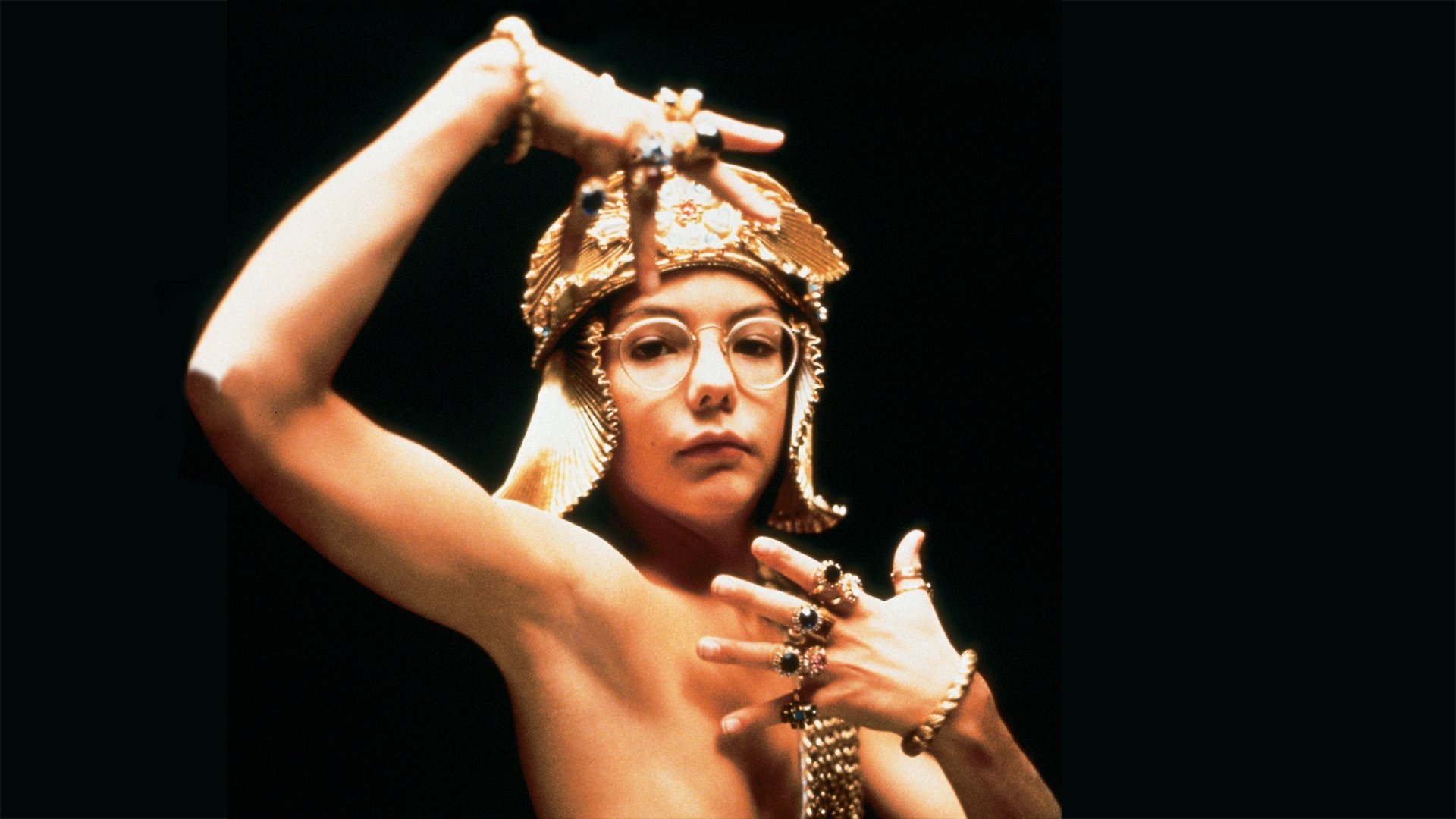
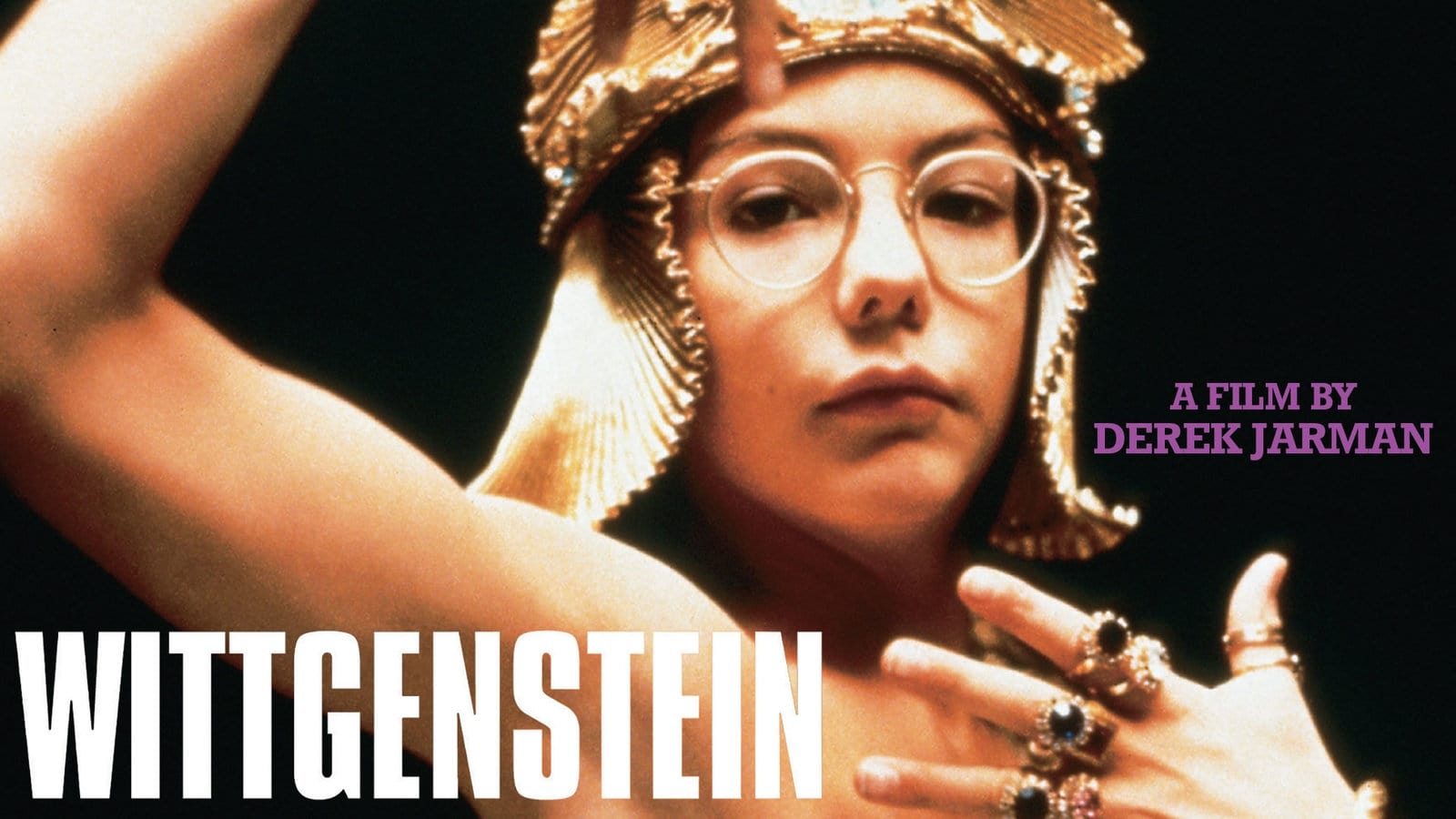
A dramatization, in modern theatrical style, of the life and thought of the Viennese-born, Cambridge-educated philosopher Ludwig Wittgenstein, whose principal interest was the nature and limits of language. A series of sketches depict the unfolding of his life from boyhood, through the era of the first World War, to his eventual Cambridge professorship and association with Bertrand Russell and John Maynard Keynes. The emphasis in these sketches is on the exposition of the ideas of Wittgenstein, a homosexual, and an intuitive, moody, proud, and perfectionistic thinker generally regarded as a genius.
Details
Production Companies
BFI

Bandung Productions

Film4 Productions

Social Network
IMDb: https://www.imdb.com/title/tt0108583
Wikipedia: https://www.wikidata.org/wiki/Q178068
Facebook: No data
Instagram: No data
X: No data
Cast


Reviews (1)
Review by: CinemaSerf
Written by: CinemaSerf on 2026-01-05T17:21:03.955Z
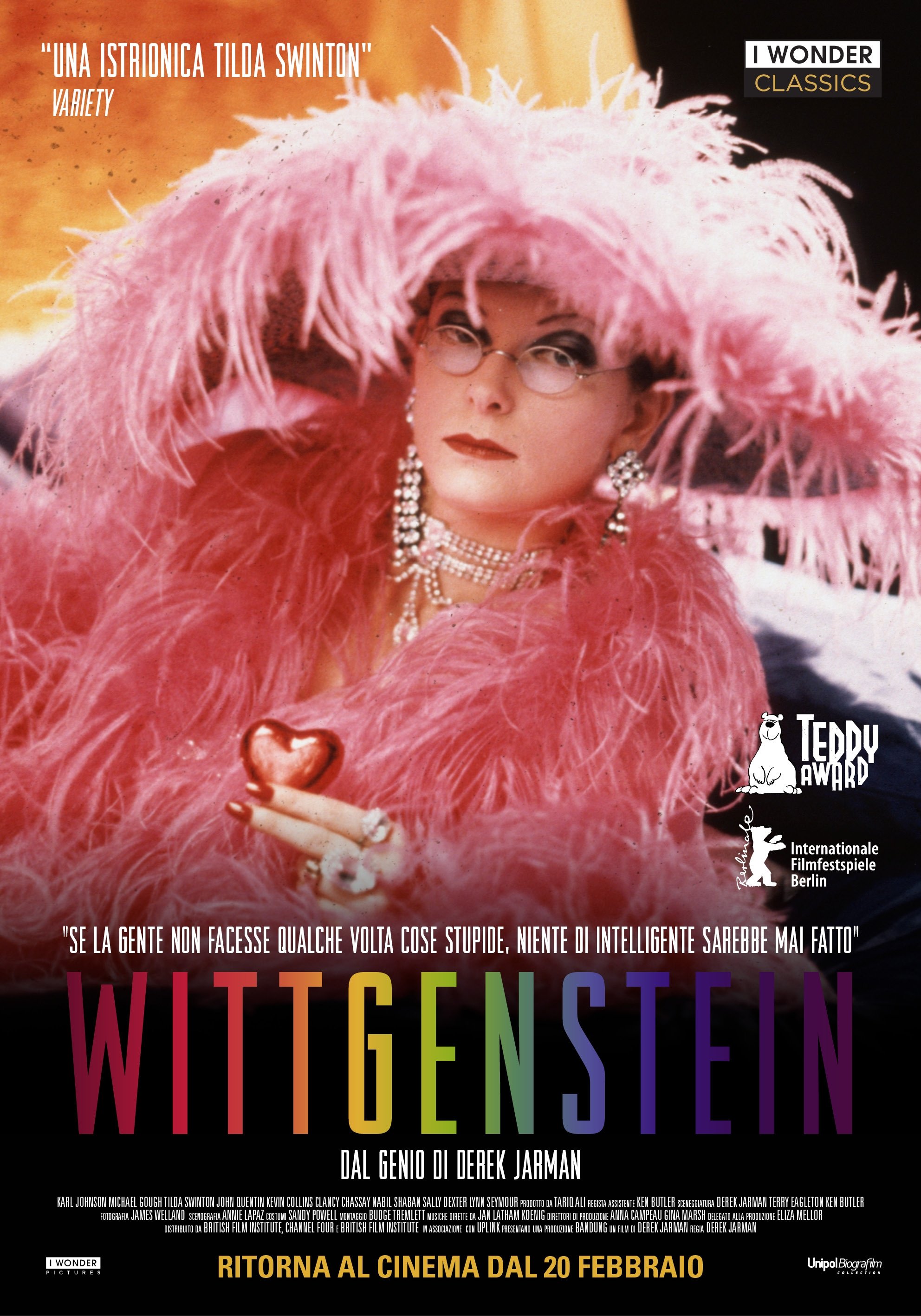
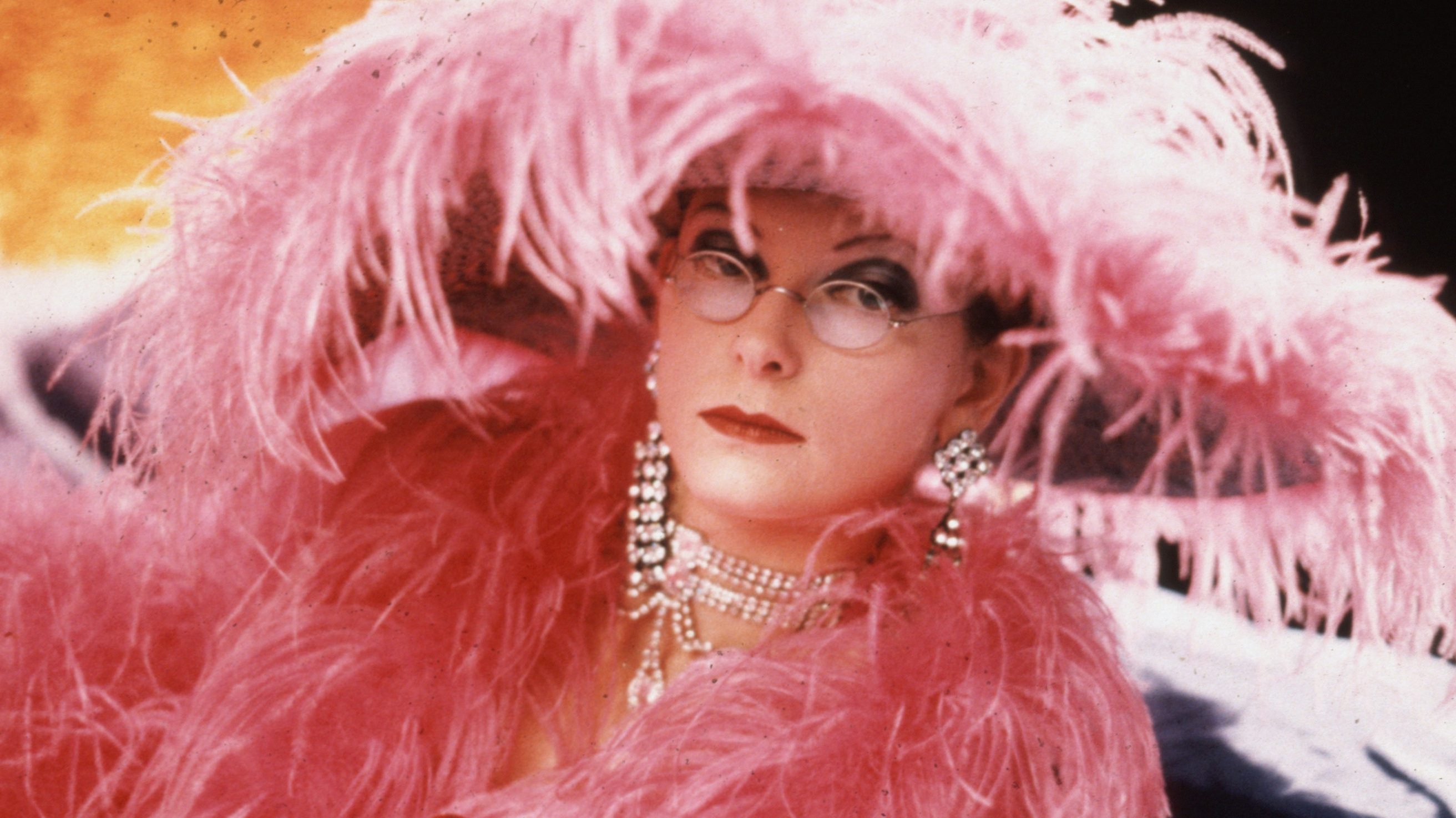
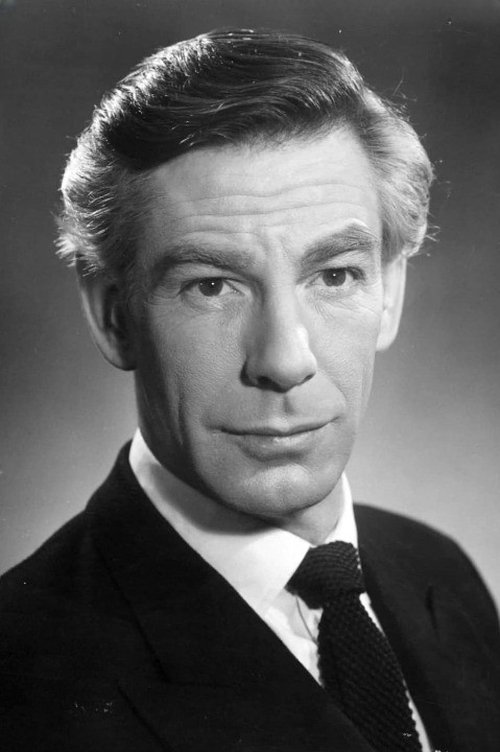
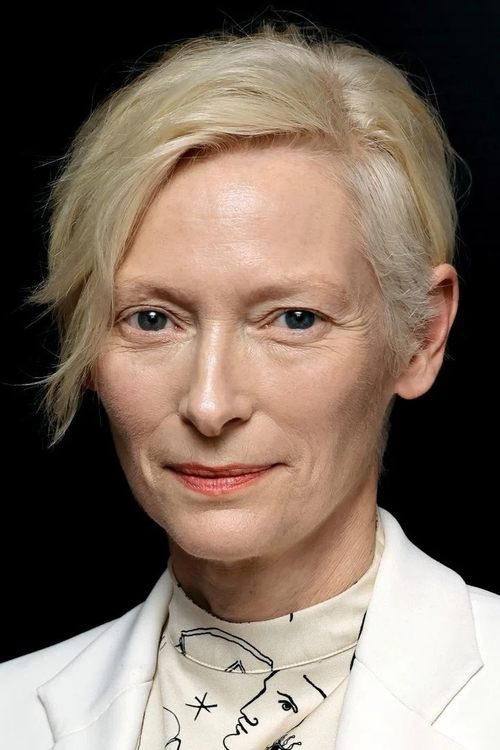
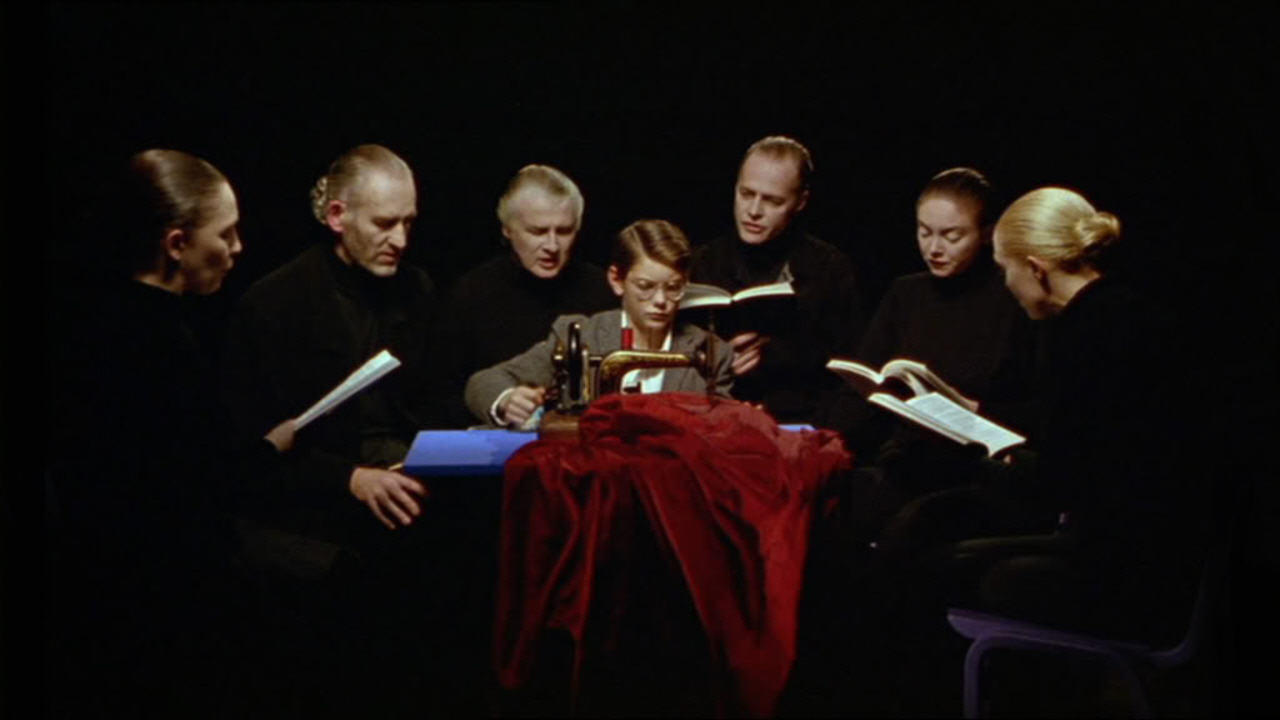
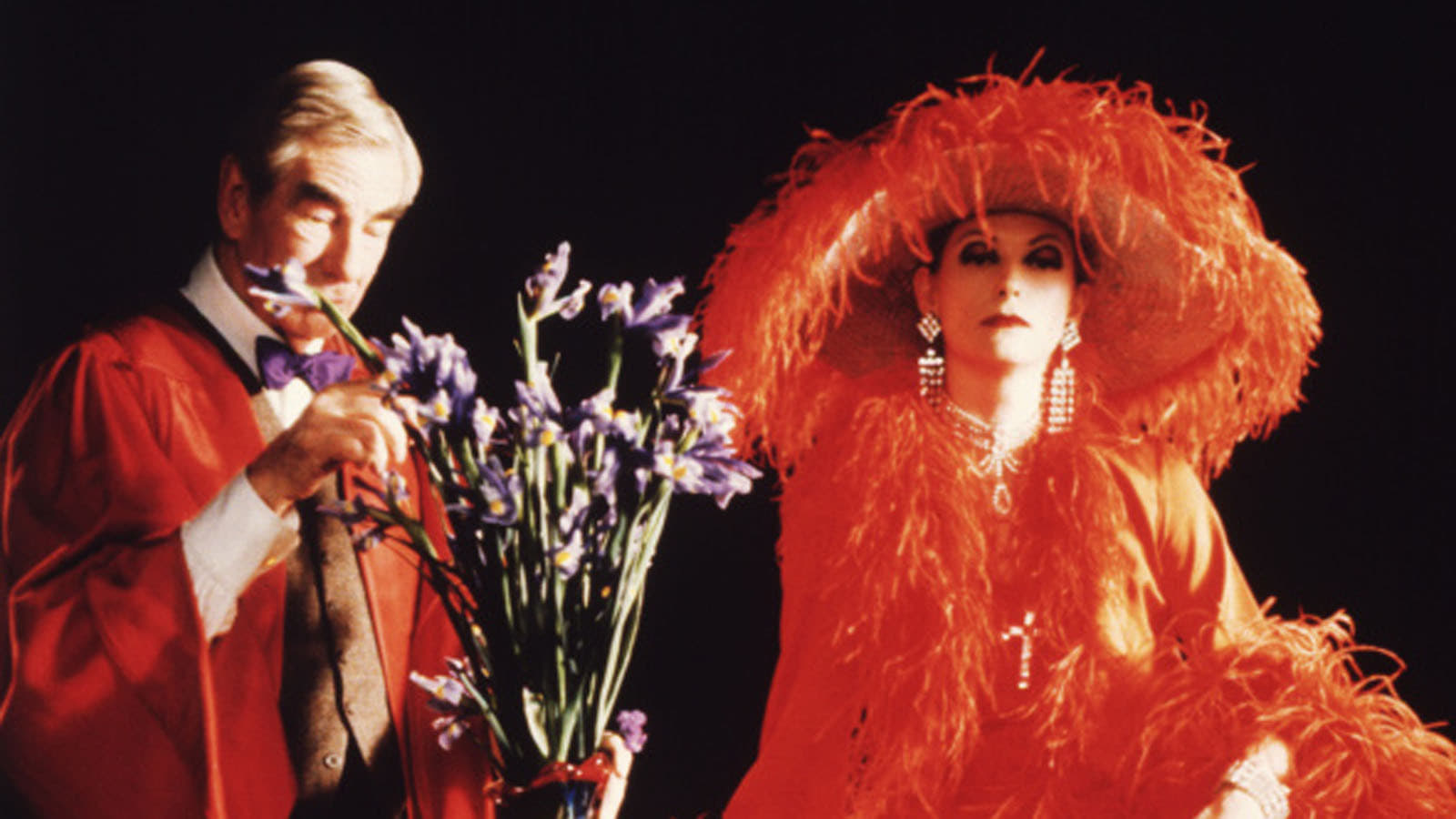
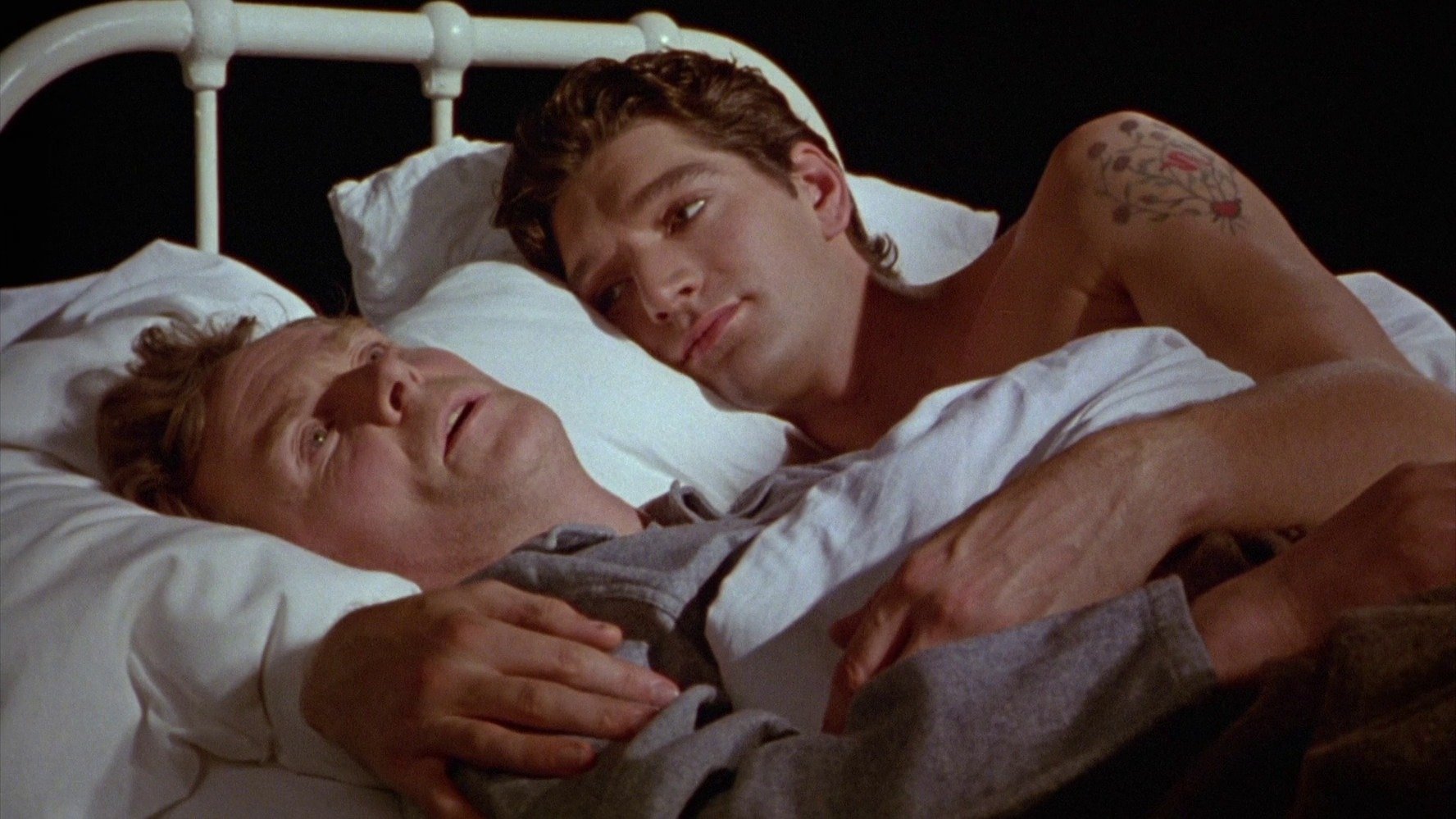
Told by way of some theatrical style sketches, this quite engagingly depicts not only the life of the acclaimed philosopher but it also shines an entertaining light on just what “philosophy” actually might be. I say might be because what is clear between himself (latterly Karl Johnson), Bertrand Russell (Michael Gough) and John Maynard Keynes (John Quentin) is that nothing is definite. His thrust centres around the limitation of language as a means of expression, and though I’ll admit to most of the theories going six feet over my head, it’s presented in quite an intriguing fashion. Is it all substantial or just emperor’s new clothes? On the personal front, he is gay and has what appears to be a shared relationship with “Johnny” (Kevin Collins) - a man always dressed in what appear to be primary coloured jump suits (I’ve no idea if that is significant, philosophically or to Derek Jarman). The episodic structure of this drama allows us to present bullet points from his life, but not necessarily in chronological order and so we get to see a little of Tilda Swinton overdoing it marvellously as Lady Ottoline and plenty from the scene-stealing Clancy Chassay as a younger Wittgenstein with an attitude that made me smile. Michael Gough was ever-around in British cinema through the sixties and seventies, and though perhaps not terribly versatile, he does have some good lines and eyebrow-raising expressions as he and his friend see a parting of their ways as inevitable. Maybe only Jarman could conceive of a dramatisation of an Austrian-born, Cambridge scholar that mixes cerebral debate with homosexuality (though with very little sex and no nudity), flamboyance and that left me feeling just a bit intellectually inadequate. I found this to be one of this director’s more accessible watches, and I enjoyed it.
Videos
Backdrops
See all...
Posters
See all...