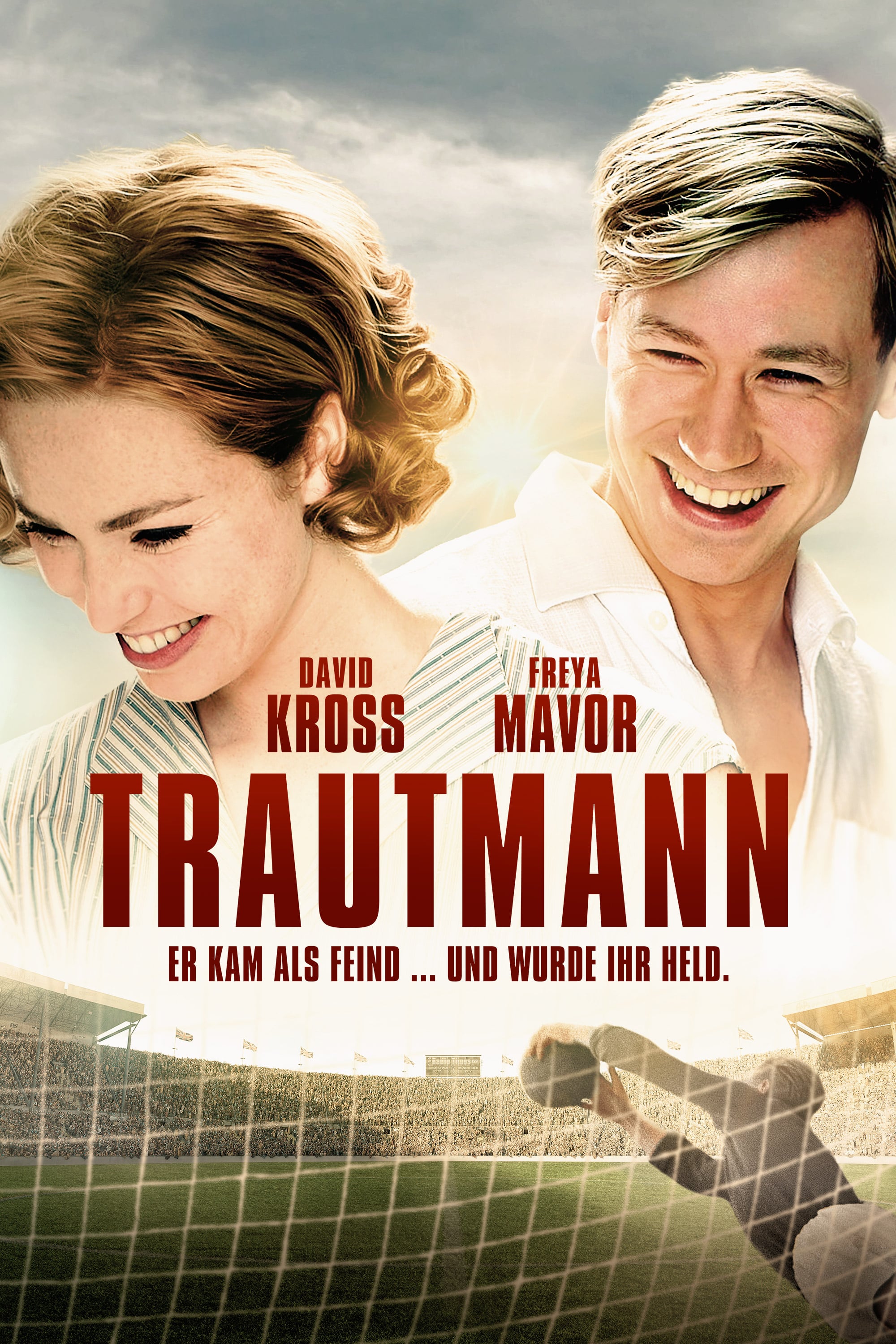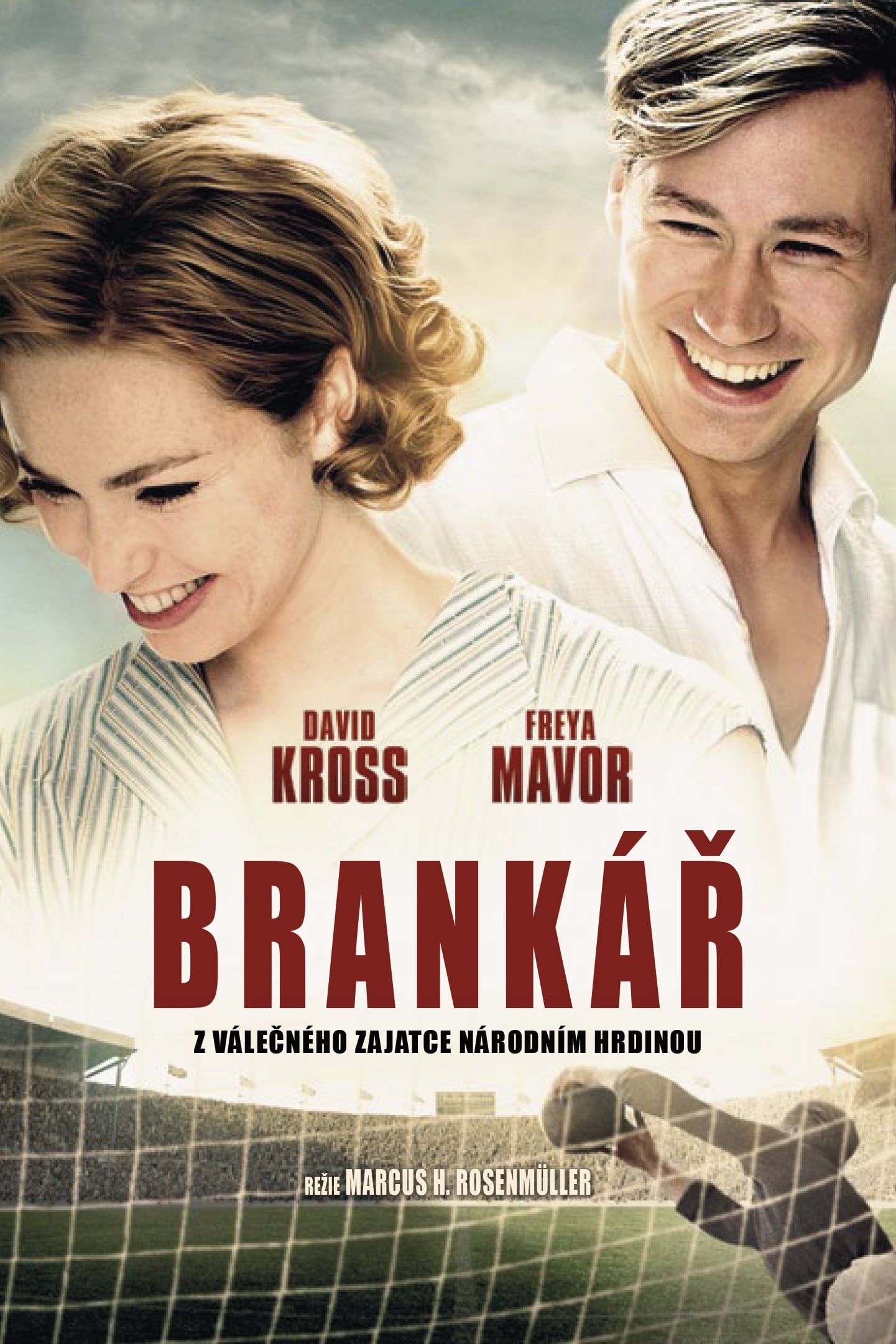

The Keeper (2018)
He won her love and our hearts and minds
05/12/2018
Overview
The story of a man whose love for football, for England and for the love of his life, Margaret, saw him rise from Nazi 'villain' to British hero. Bert Trautmann, the German goalkeeper won over even his harshest opponents by winning the FA Cup Final for Manchester City in 1956 - playing on with a broken neck to secure victory.
Status: Released
Rating: 74%
Original language: DE
Budget: $0
Revenue: $0
Official website:
http://thekeeperfilm.co.uk
Details
Production Companies
Lieblingsfilm

Zephyr Films

British Film Company
Northern Ireland Screen

Square One Entertainment
MEDIA Programme of the European Union

Beta Film

Social Network
IMDb: https://www.imdb.com/title/tt4642192
Wikipedia: https://www.wikidata.org/wiki/Q30611876
Facebook: https://facebook.com/trautmann.derfilm
Instagram: No data
X: No data
Cast


Reviews (2)
Review by: SWITCH.
Written by: SWITCH. on 2019-07-05T08:27:56.545Z
I wouldn’t call ‘The Keeper’ a great film, but certainly a good one with one hell of a story to tell. War tales are a dime a dozen, but this is certainly a unique story and the first I’ve heard that incorporates the world’s game. I can’t imagine there’ll be another like it in the future.
- Jess Fenton
Read Jess' full article... https://www.maketheswitch.com.au/article/review-the-keeper-the-true-story-of-the-nazi-goalkeeper-and-the-english-girl
Review by: CinemaSerf
Written by: CinemaSerf on 2024-08-26T07:44:54.417Z
Jack (John Henshaw) does a bit of black marketeering as the second world war comes to a close and it's a visit to a British POW camp that introduces him to the lithe Bert Trautmann (David Kross) whom he reckons is impressive in goal. He manages to get this man involved in some local matches and with the war now over, a trial with Manchester City seems to offer Trautmann the chance of a new life. Of course there's a considerable degree of local resentment at this former enemy playing for their local team, but an intervention from his new wife Margaret (Freya Mavor), who just happens to be Jack's no-nonsense daughter and another from a far less likely source sees the man given an opportunity to prove his skills on the pitch. History tells us of his successes for a club he played for over five hundred times, but this drama focusses a little more on the personal side of his life - and on that score, tragedy was never so very far from their lives. The political questions are addressed here to an extent, but really only, I think, to illustrate the power of football as a healer. Fans, like people in general, can be fickle things and sins can soon be forgiven, if not exactly forgotten, if someone can become an integral part of a winning team and induce a much needed feel-good factor. There's a decency to the character of Trautmann that Kross captures well and though yes, it's all fairly light and fluffy, it's still a nicely photographed and filmed biopic of a man who ended up having a far more ambassadorial role in Anglo-German post-war relations that could have been envisaged in 1945.
Videos
Backdrops
See all...






Posters
See all...