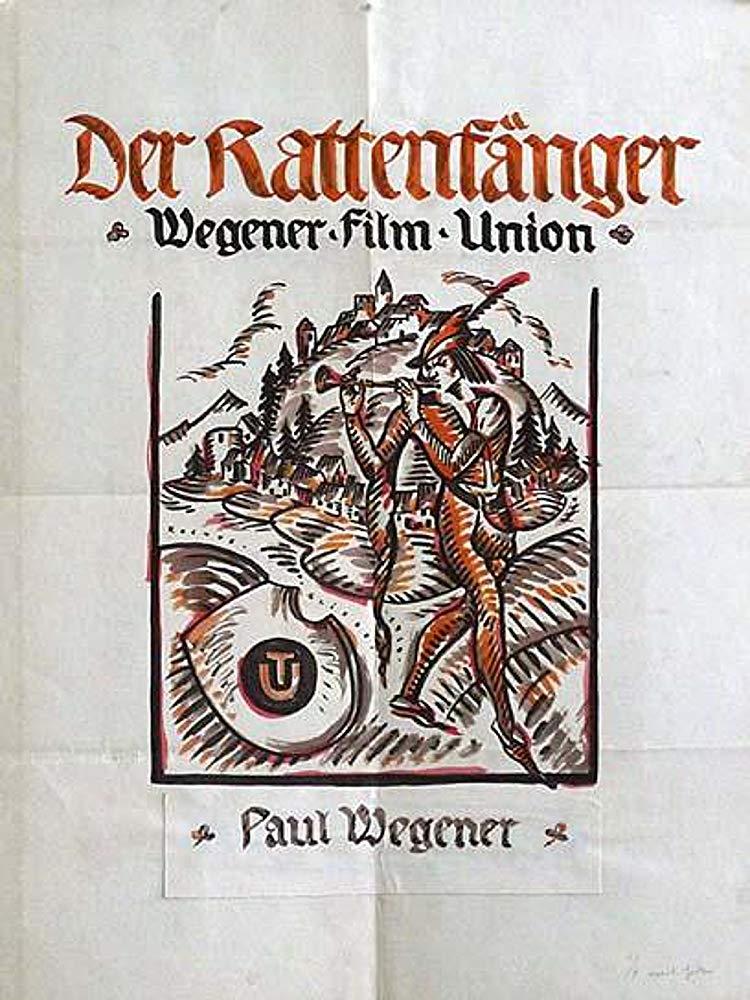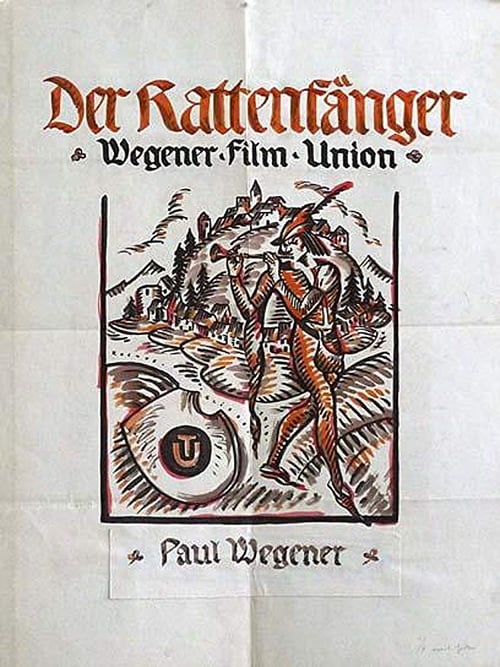
The Pied Piper of Hamelin (1918)
19/12/1918
Overview
A traveler comes into a town overrun with rats and vermin. He promises to free the place of the pests and names his price. When the townspeople refuse to pay him after he has done what he promised, he plays his tune again with consequences. This film survives in incomplete/fragmentary form.
Details
Production Companies
UFA

Projektions-AG Union

Social Network
IMDb: https://www.imdb.com/title/tt0008431
Wikipedia: https://www.wikidata.org/wiki/Q14333285
Facebook: No data
Instagram: No data
X: No data
Cast
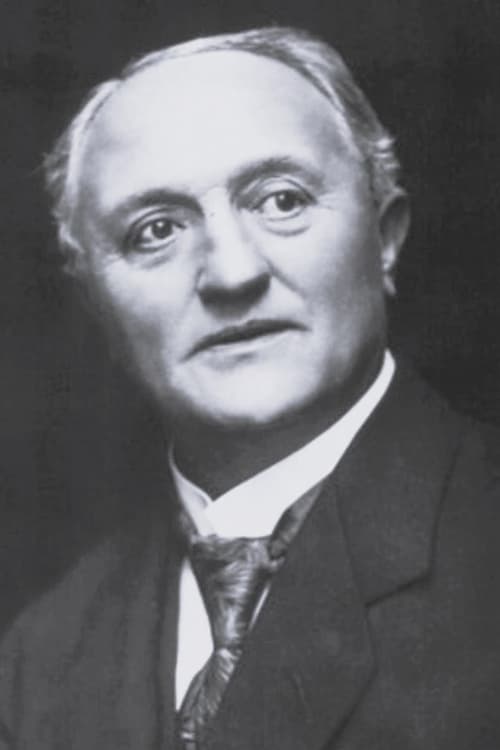
Wilhelm Diegelmann
Bürgermeister (Mayor)

Elsa Wagner
Frau des Bürgermeisters (Mayor's Wife)

Lyda Salmonova
Ursula, Tochter des Bürgermeisters (Mayor's Daughter)

Märte Rassow
Märte
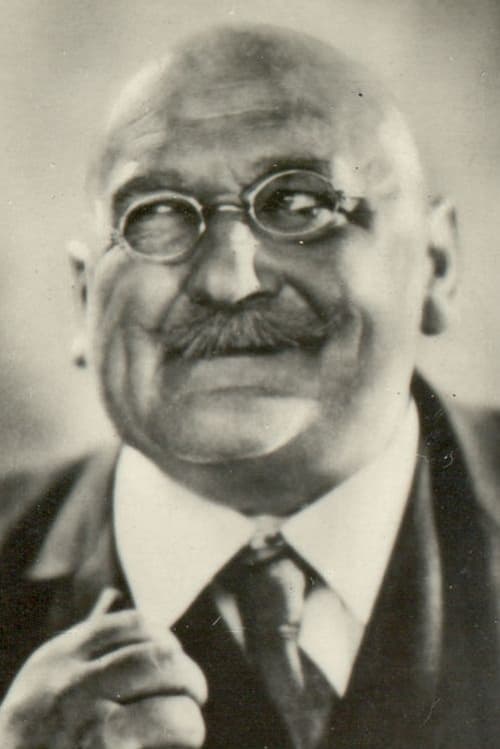
Jakob Tiedtke
Ratsapotheker (Council Pharmacist)
Armin Schweizer
Magerer Ratsherr (Skinny Councilor)
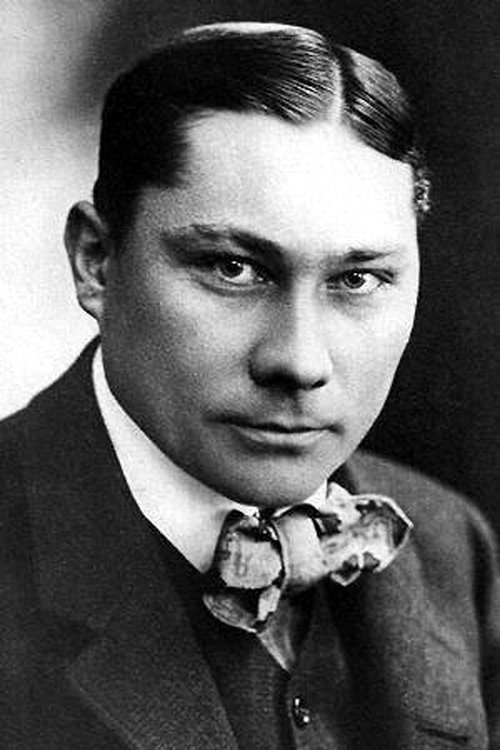
Paul Wegener
Fahrender Spielmann (Traveling Minstrel)
Clemens Kaufung
Schinderknecht
Reviews (1)
Review by: Le_Schpountz
Written by: Le_Schpountz on 2020-09-13T10:42:33.368Z
The founding of the Weimar Republic marks the beginning of the golden age of German cinema. After the imperial rule and the horrors of the First World War, the sudden „shock of freedom“ is reflected in the escapist comedies, glamorous spectacles and dark screen fantasies of the film.
Wegener’s fantastic films are the roots of expressionism and escapism in German film of the twenties.
Based on one of the most famous German legends „Rattenfänger von Hameln“ („Pied Piper of Hamelin“ or „Rat-Catcher of Hamelin“) written down by the Brothers Grimm.
The rats shown in the film following the traveler out of town were „wooden rats“. Working with trained animals had proved impossible. Instead, they made wood rats and filmed them in a stop-motion process.
A traveler comes into a town overrun with rats and vermin. He promises to free the place of the pests and names his price. When the townspeople refuse to pay him after he has done what he promised, he plays his tune again with consequences.
This film is preserved in incomplete / fragmentary form!
Videos
Backdrops
See all...Posters
See all...