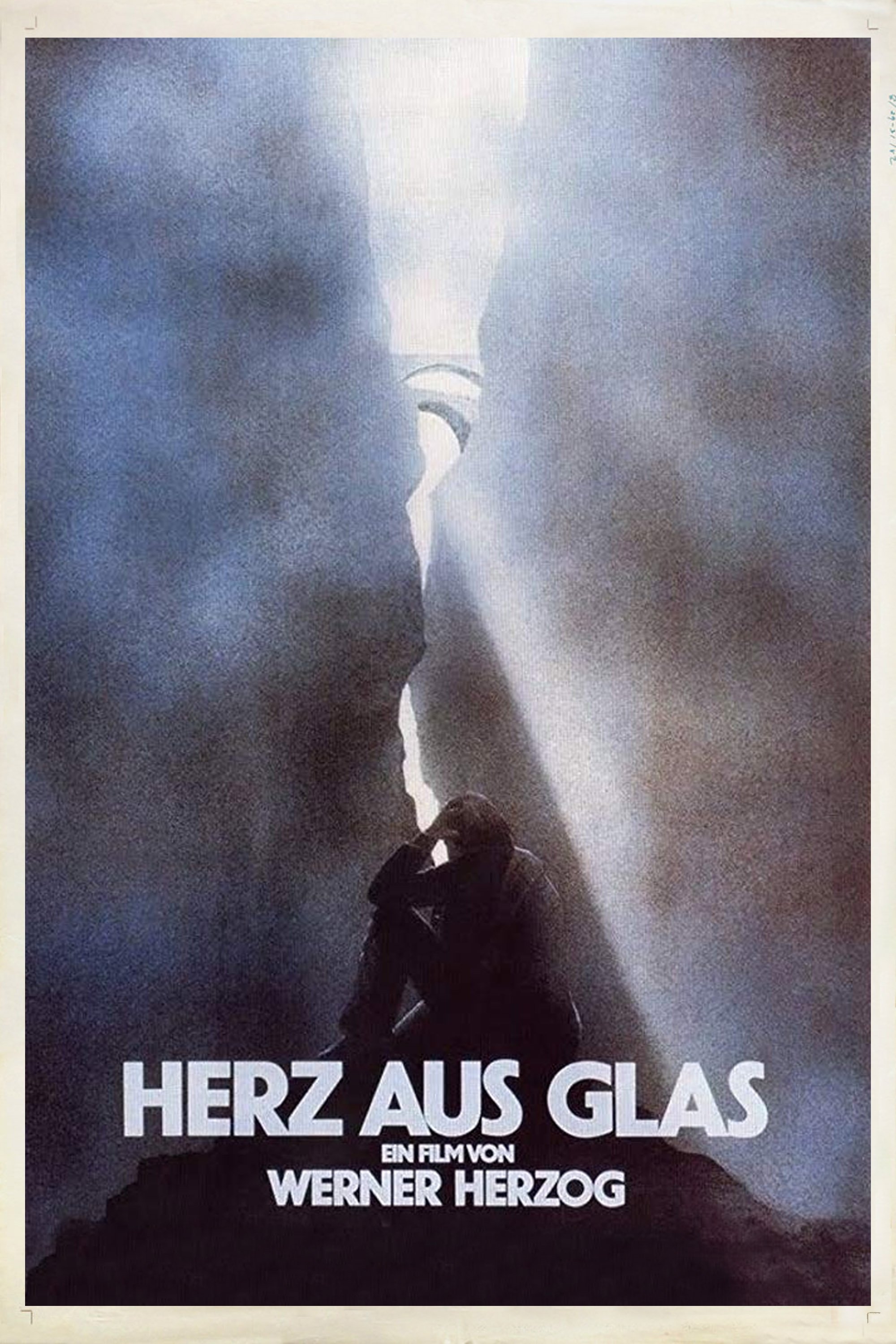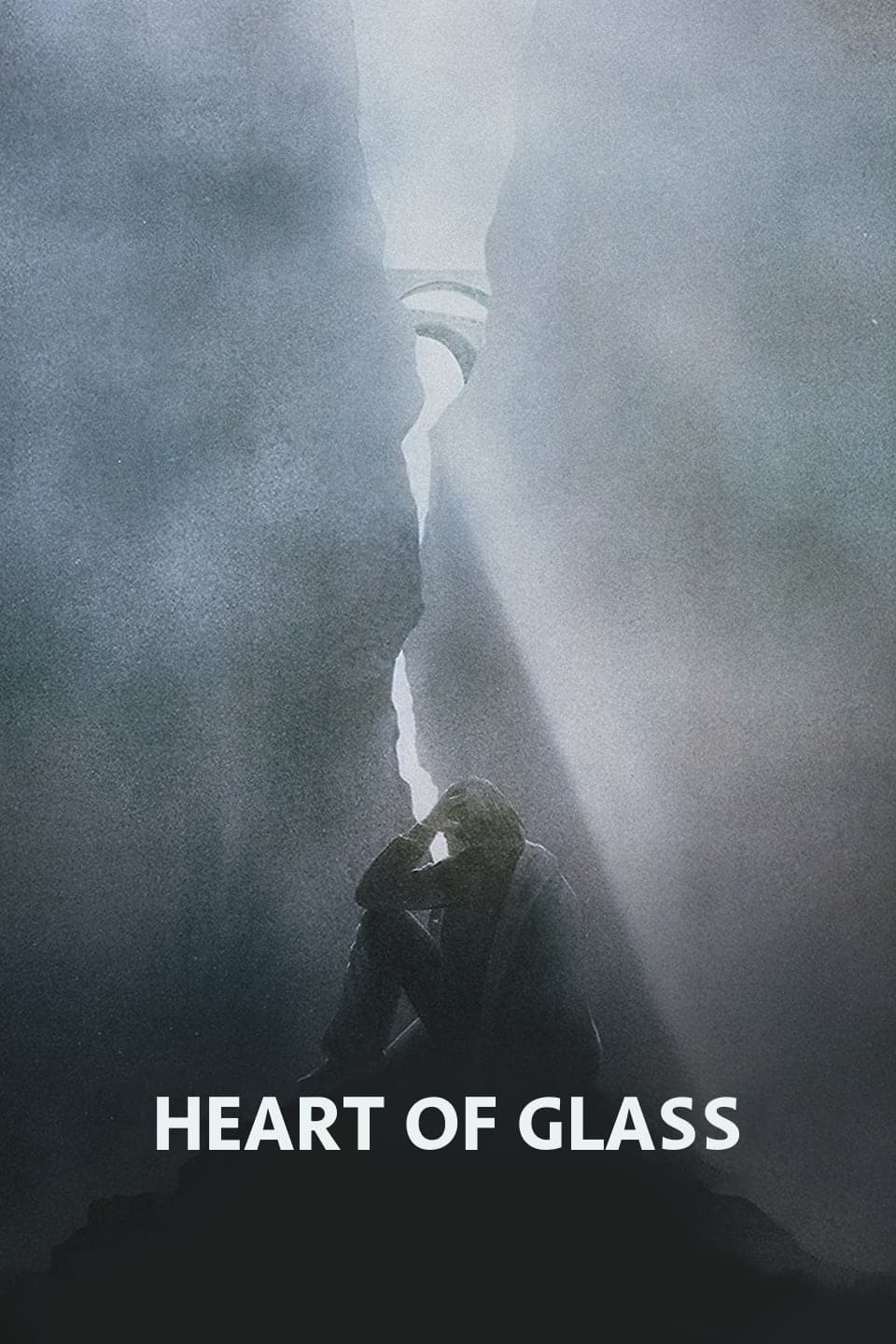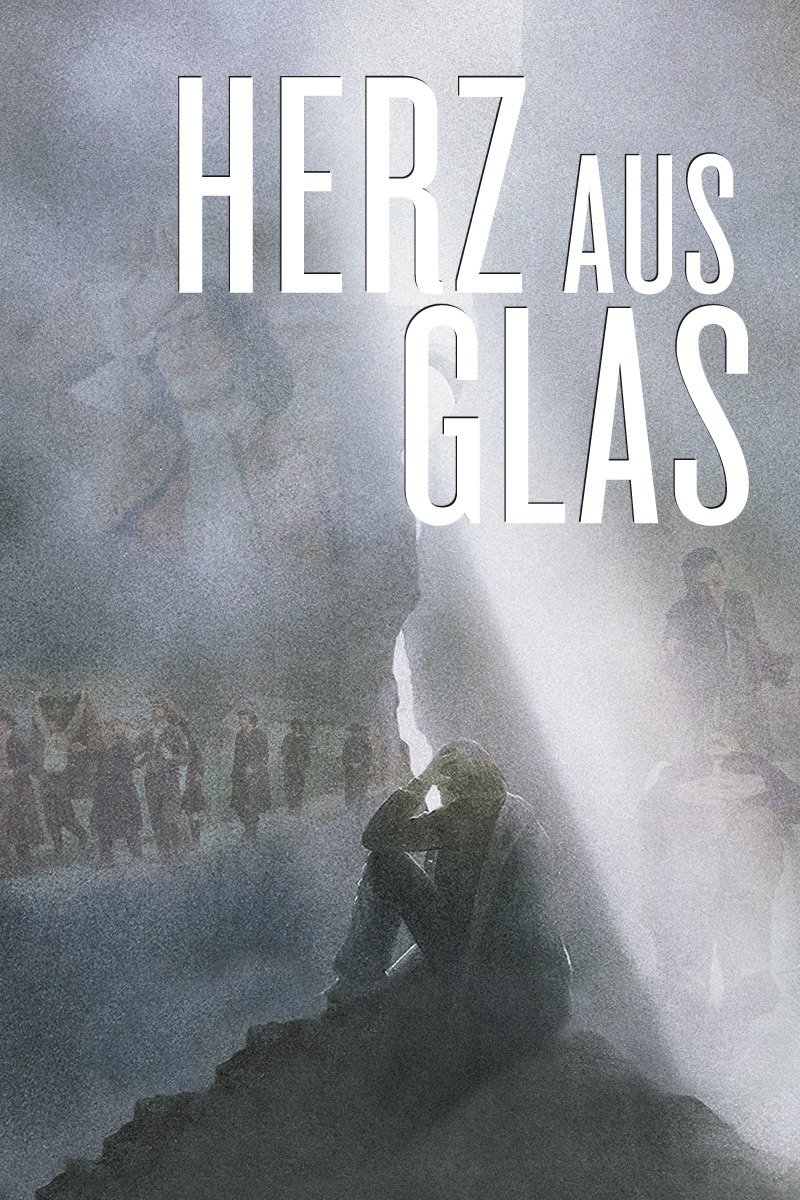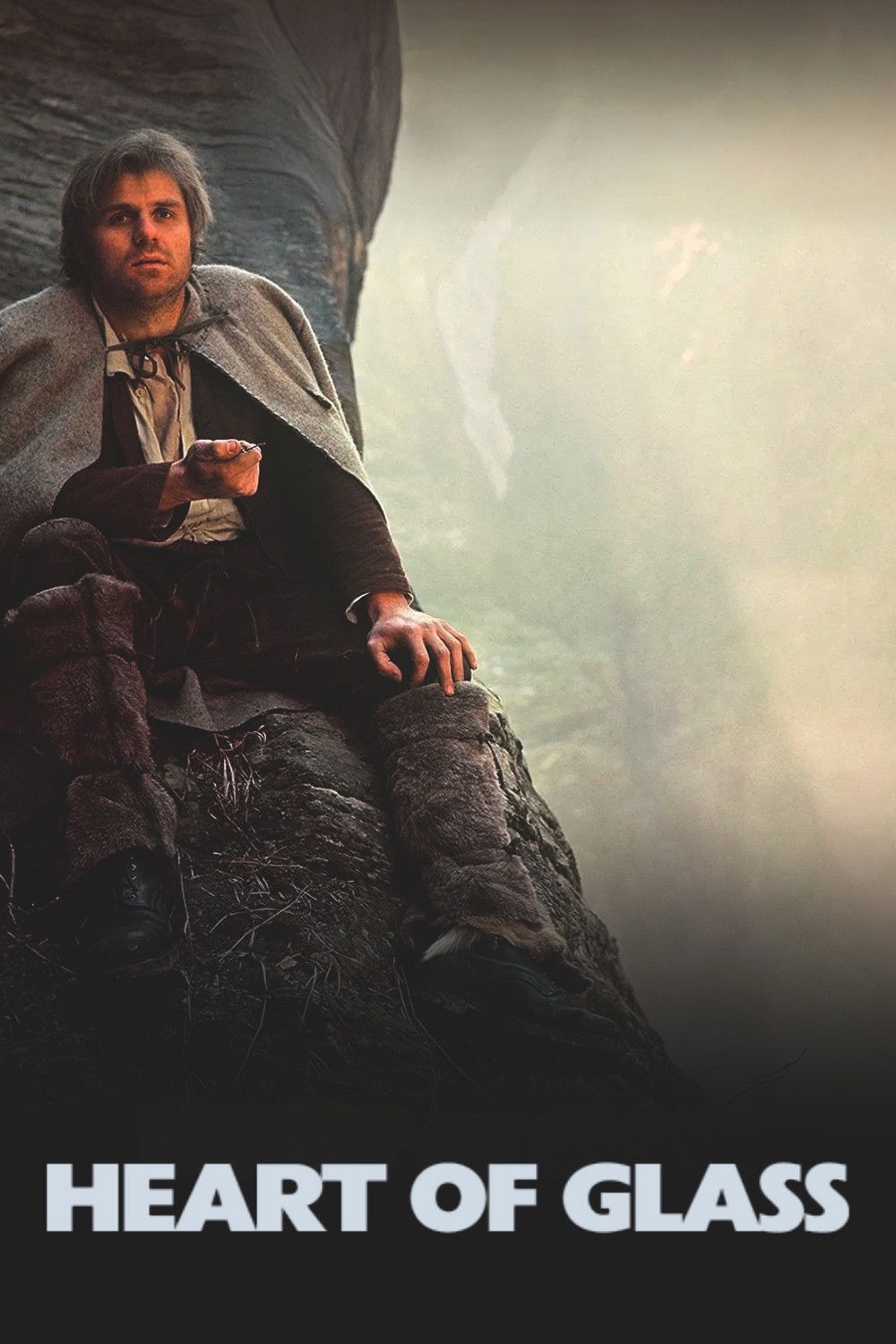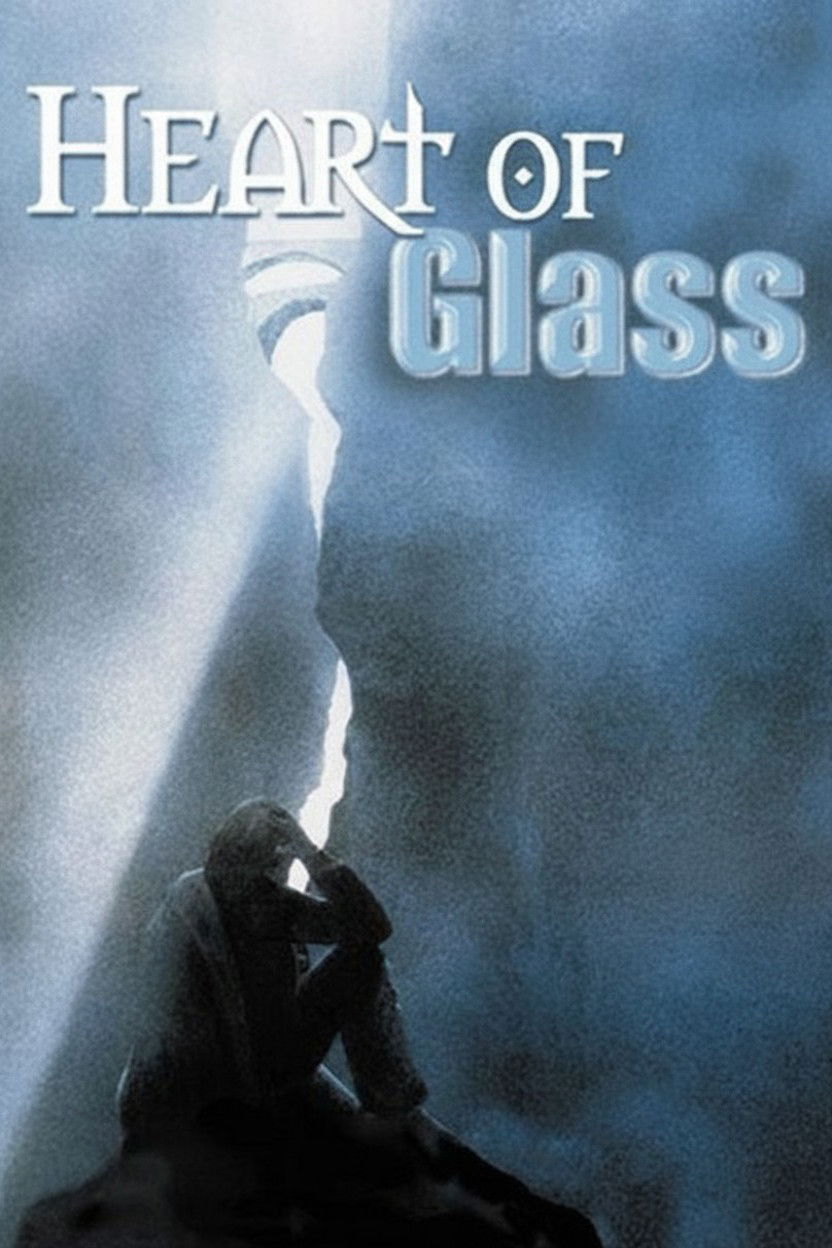
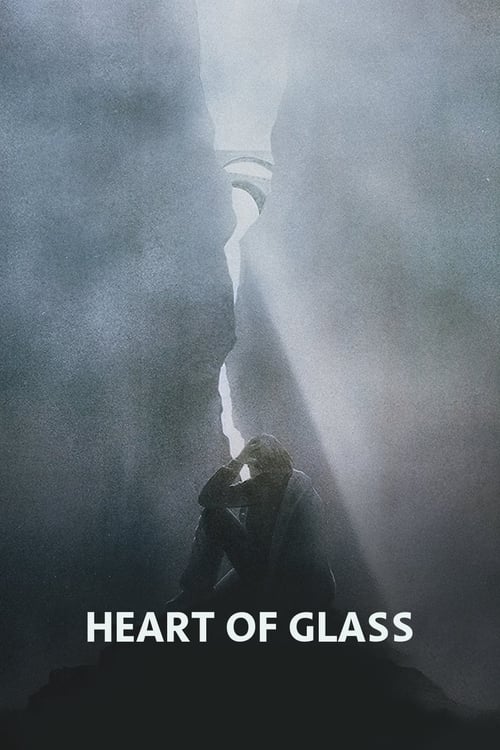
Heart of Glass (1976)
12/11/1976
Overview
A small Bavarian village is renowned for its "Ruby Glass" glass blowing works. When the foreman of the works dies suddenly without revealing the secret of the Ruby Glass, the town slides into a deep depression, and the owner of the glassworks becomes obssessed with the lost secret.
Details
Production Companies
Werner Herzog Filmproduktion

Social Network
IMDb: https://www.imdb.com/title/tt0074626
Wikipedia: https://www.wikidata.org/wiki/Q819538
Facebook: No data
Instagram: No data
X: No data
Cast




Reviews (1)
Review by: CinemaSerf
Written by: CinemaSerf on 2026-01-01T12:31:26.935Z
Maybe it was Herzog’s intention, but I will admit to a degree of confusion as the credits rolled on this. On the face of it, it is about a village famed for it’s artisan “Ruby” glass. The thing is, though, it’s only the factory foreman who knows the secrets of it’s manufacture and when he dies the rest of the place fears the worst. “Hias” (Josef Bierbichler) seems to have some gift of prophecy and is certainly not a man whose glass is half full. Indeed he rather ominously portends poverty and gloom for the villagers - a fate even more doom-laden than just not having the “Ruby”. In so far as that linear storyline might have laid a bedrock for the film, then I was on board. However, that thread becomes less and less relevant to the character emphasis as we start off the film with something violent and borderline absurd and then progress through a series of scenarios that don’t really advance the plot at all. Is it a glimpse at hopelessness? At the relentlessness of that hopelessness? There are allusions to serfdom and dynastic governments to fuel those theories, but then we intermittently divert to a series of beautiful glass-blowing scenes or to some picturesque photography accompanied by a really quite haunting soundtrack. Whilst it isn’t exactly paceless, I did struggle at times to stay engaged as very little actually happens on screen. Sure, perhaps your mind is meant to be whirring around absorbing the allegorical observations, but my stylus just wasn’t sufficiently on his vinyl here to really get much more from this than a certain chilliness and an appreciation of a solid effort from Bierbichler. It’s a film for the cinema, if only because it makes it easier to focus without more convenient television distractions, and I have a feeling this was a step in this director’s cinematic journey that he wasn’t so bothered about us accompanying him on.
Videos
Backdrops
See all...

Posters
See all...