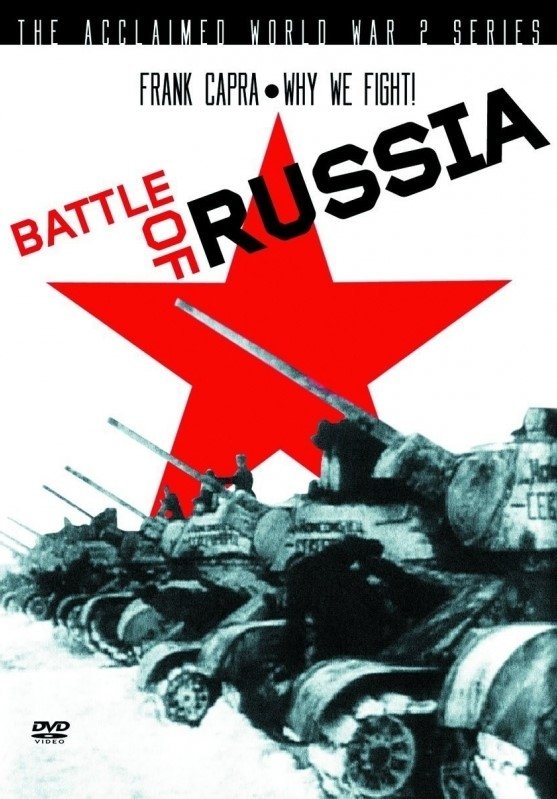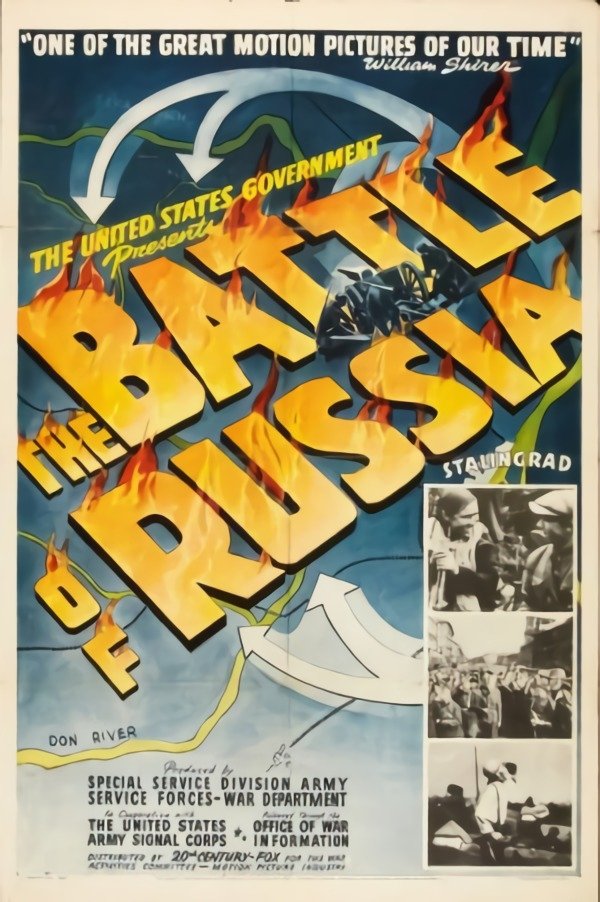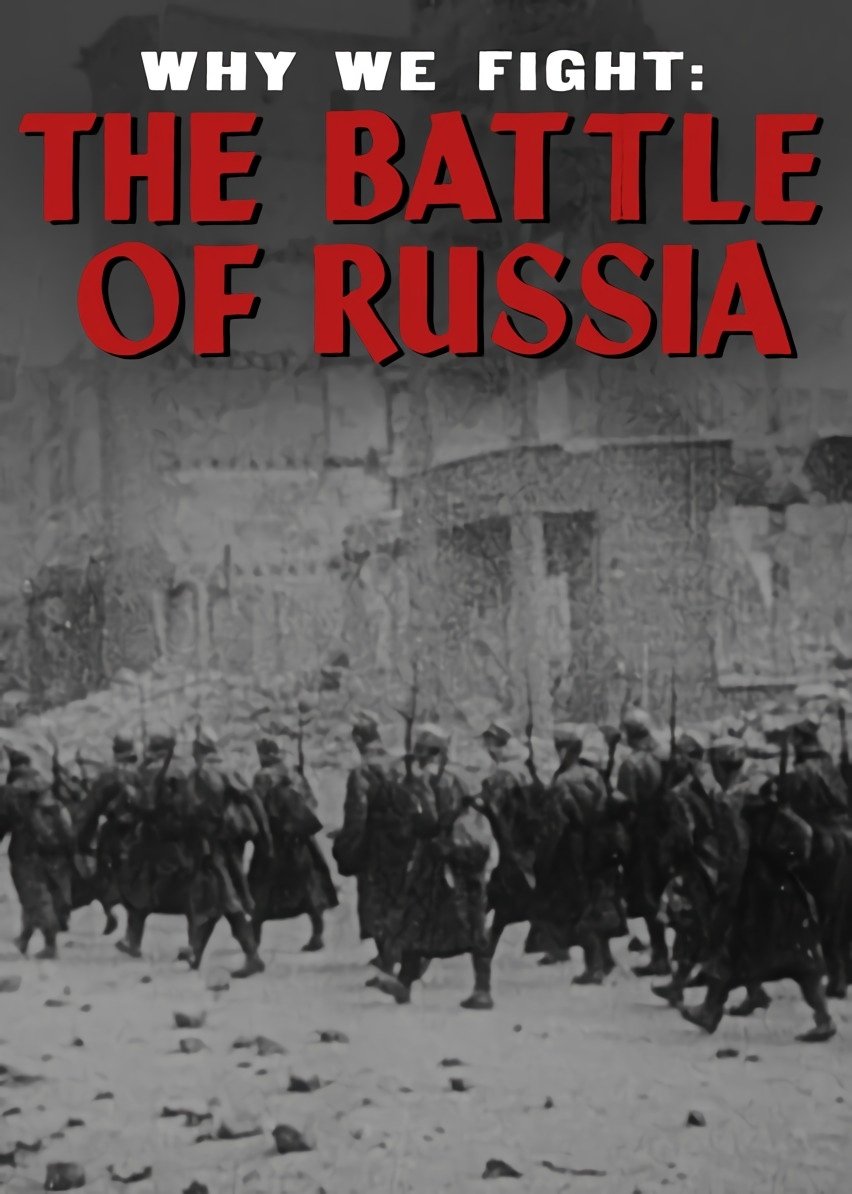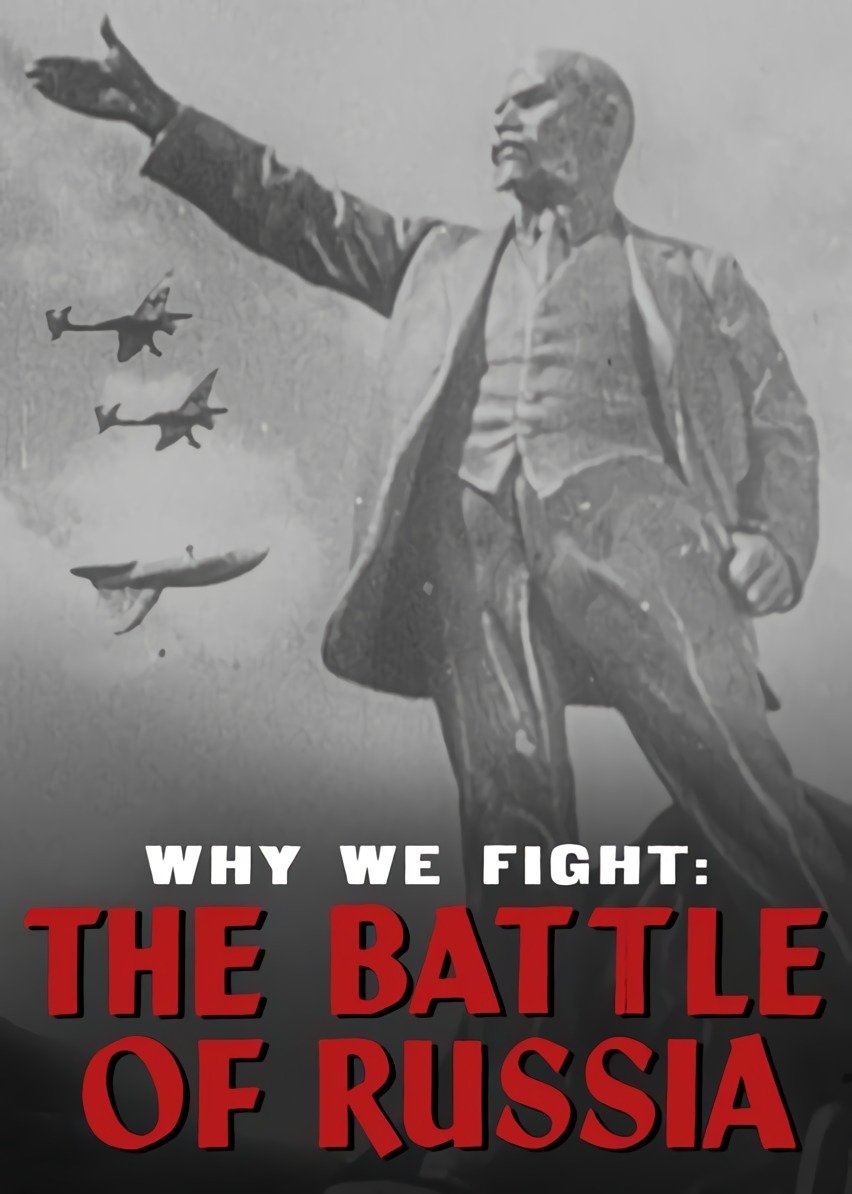
Why We Fight: The Battle of Russia (1943)
13/11/1943
Overview
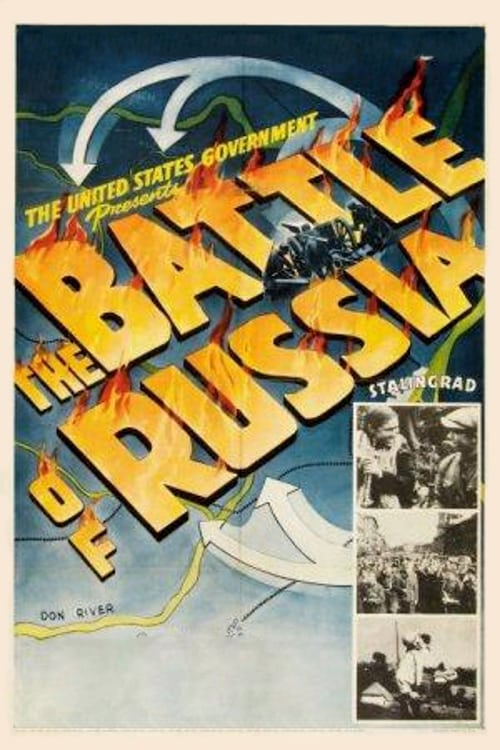
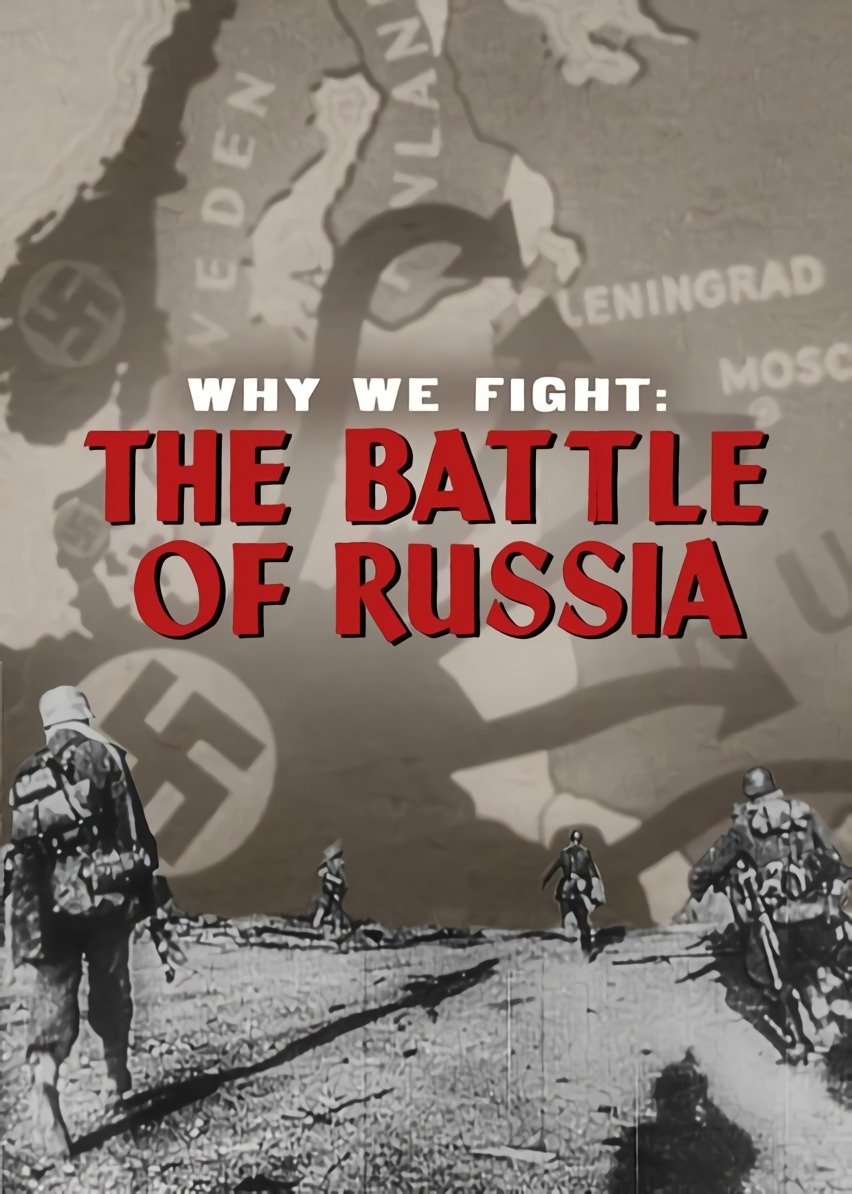
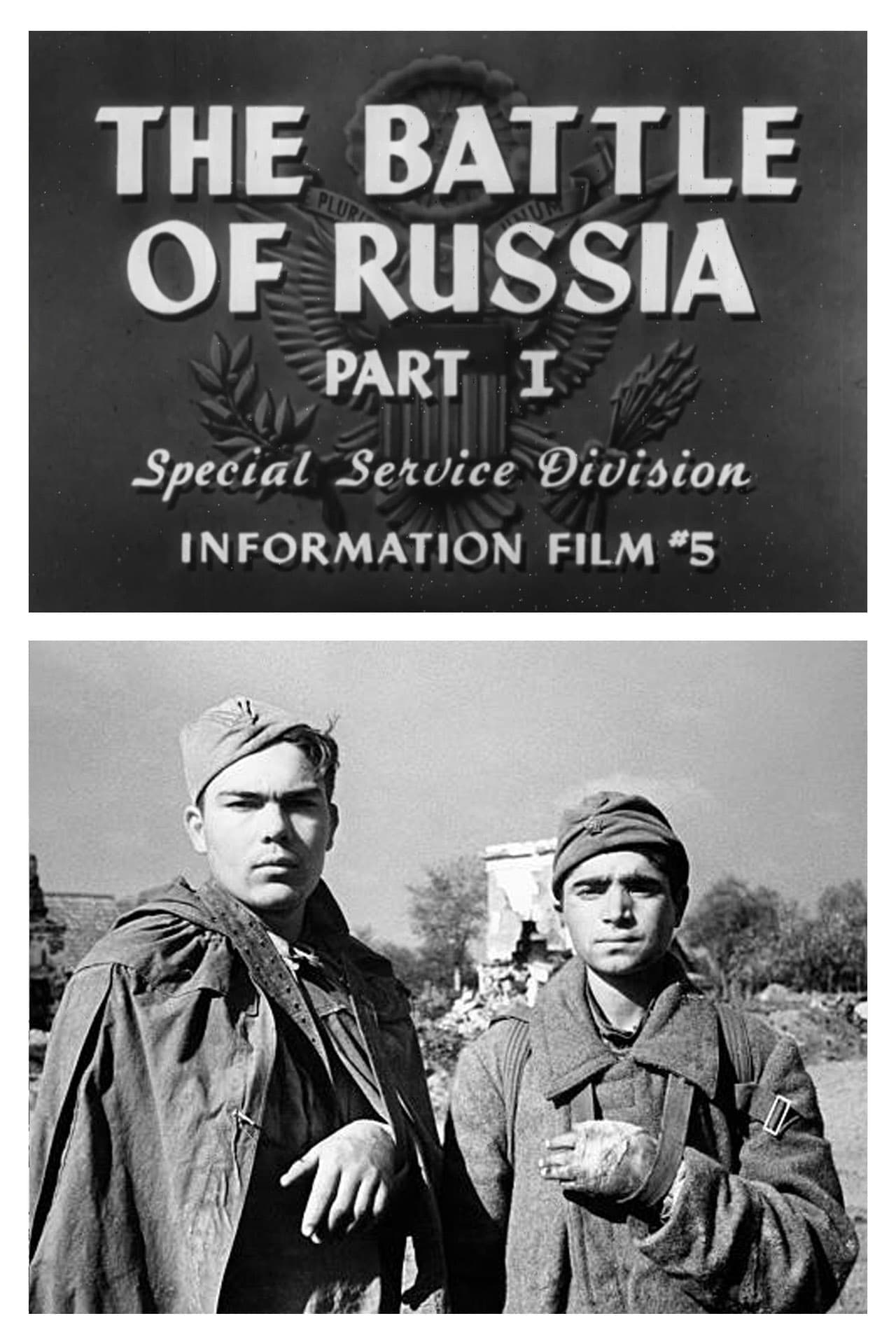
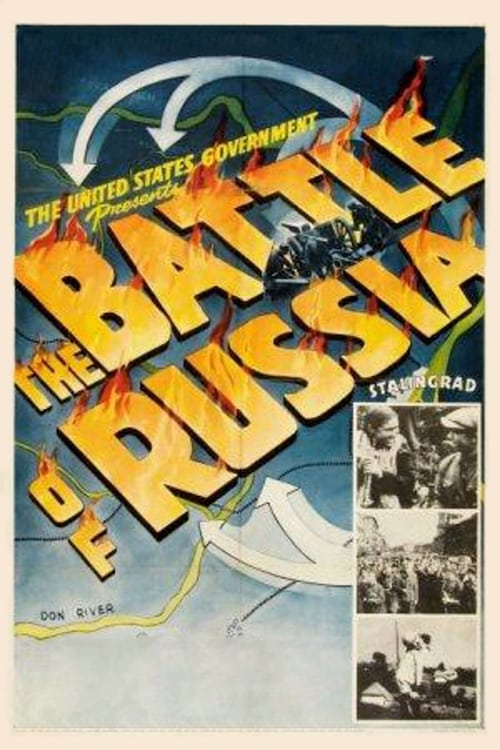
The fifth film of Frank Capra's Why We Fight propaganda film series, revealing the nature and process of the fight between the Soviet Union and Germany in the Second World War.
Details
Production Companies
War Activities Committee of the Motion Pictures Industry

U.S. War Department
U.S. Army Special Service Division
Social Network
IMDb: https://www.imdb.com/title/tt0036629
Wikipedia: https://www.wikidata.org/wiki/Q1387285
Facebook: No data
Instagram: No data
X: No data
Cast


Reviews (1)
Review by: CinemaSerf
Written by: CinemaSerf on 2025-07-07T15:38:44.433Z
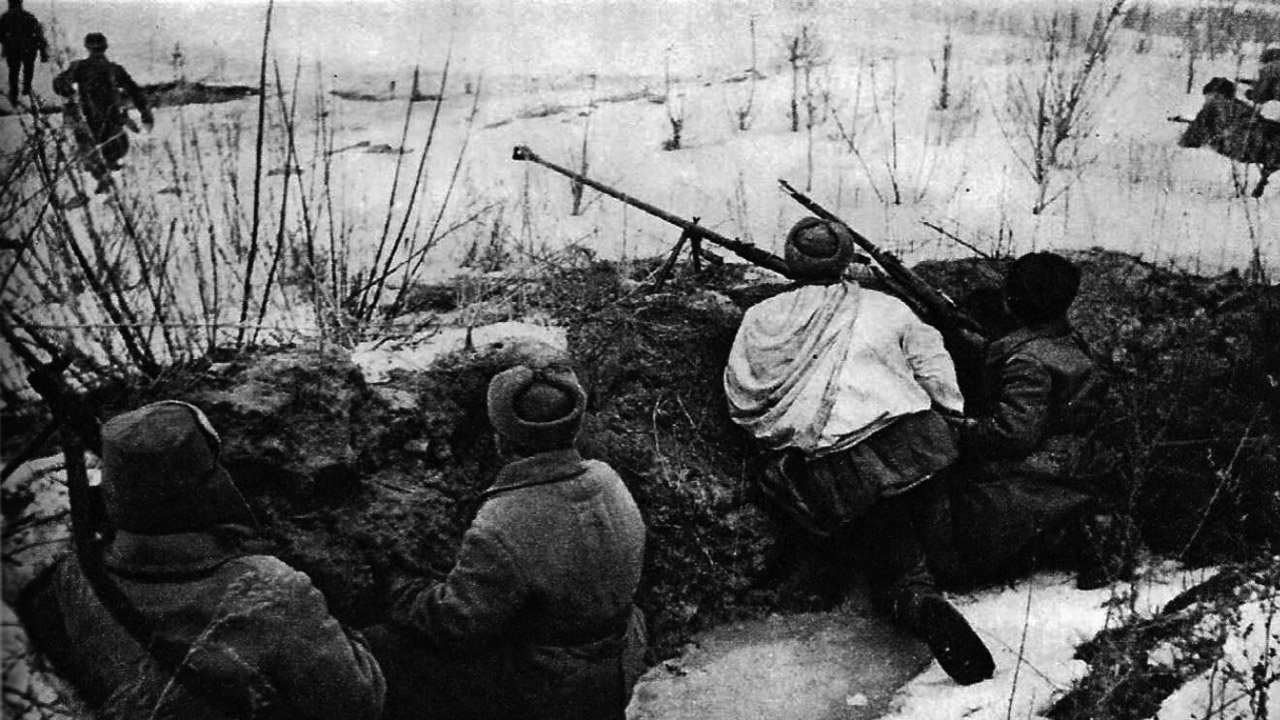
For some reason, I always felt that this front of WWII was always the most horrendous, and this two-parter goes some way to poignantly illustrating that. Using a combination of animated maps and plenty of wartime newsreel, it takes us into the heart of the Soviet Union as the encroaching Nazis crushed all before them. It’s striking that though much of Western Europe was industrialised, the population facing this onslaught was a largely agrarian one still using scythes, horse-drawn ploughs and with little access to electricity. Initially, this looks like it’s going to be a cake-walk for the invaders, but when they arrive at Stalingrad they find that the population have regrouped and doubled their efforts, in spite of the sub-zero conditions and lack of supplies and ordnance, and together with supplies from the British and the Americans are now starting to make their own presence felt. The second part of this documentary focuses a little more on the fight back and leaves us with some degree of optimism that there might be light at the end of this very, very, long winter. The actuality here is really potent and augmented by a narration that avoids jingoism and sentiment and let’s the imagery speak for itself. Sure, it does have a propagandist function to an extent, but when you see the starved bodies of young children, or the raped ones of young women alive and dead, then you don’t really need anyone in a sound booth to describe what you can see or what to think about it. It’s clearly intended for an American audience and effectively extols that principle that the enemy of my enemy is my friend - regardless of doctrine.
Videos
Backdrops
See all...Posters
See all...